Dibenzyl disulfide (DBDS) is a corrosive sulfur compound that can accelerate copper sulfide formation in transformers, increasing the risk of insulation damage and equipment failure. Routine monitoring of DBDS is therefore critical for transformer health, regulatory compliance, and preventive maintenance. This application note demonstrates how the PerkinElmer GC 2400 System with Electron Capture Detection (ECD) provides a sensitive, reliable, and cost-effective approach for DBDS analysis in transformer oils, delivering excellent linearity, precision, and freedom from carryover in accordance with IEC 62697 guidelines.
Sam Whitmarsh explores how retention-time models handle interlaboratory data, novel chemotypes, unusual phases and ionisable compounds, and what labs need to do to build useful in-house models.
Sam Whitmarsh describes a practical workflow for predicting reversed-phase LC retention times using ensemble machine learning and open chromatographic data.
Optimized preparation and data-independent acquisition (DIA) liquid chromatography–mass spectrometry (LC-MS) detect up to 6500 proteins in laboratory-grown duck.
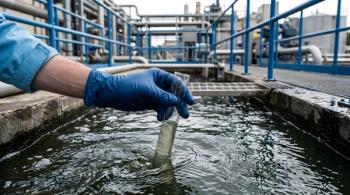
Directive (EU) 2024/3019 makes drug manufacturers financially responsible for removing pharmaceutical residues from wastewater and introduces stricter, standardized monitoring requirements that are set to increase demand for trace-level analytical expertise.