Analytical quality by design (AQbD) lifecycle series tackles risk-based methods

Adrian Clarke is a Scientific Advisor in Analytics at Novartis Pharma (Basel, Switzerland). His main responsibilities are: driving scientific excellence, identifying strategic and operational and technological needs; Defining, developing and implementing innovative state-of-the-art analytics and regulatory control strategies. He has more than 25 years’ experience working in the Pharma industry and in the last 5-10 years he has been actively involved in new modality and oligonucleotide projects.
His special interests are liquid phase separations & hyphenated techniques (Fast LC/UHPLC, 2D LC, SFC, MS), column characterisation, method development and lifecycle, and also analytical control & regulatory strategies, including new modalities, oligonucleotides and mutagenic impurities.
Adrian has DPhil in Analytical Chemistry (Separation sciences) from the University of York, UK. He has authored multiple publications and book chapters, he is a committee member of the Chromatographic Society, UK, and been on the organising committee of several international conferences (ISC2024/2026, PBA2024, HPLC2025) and more than 10 ChromSoc UK scientific meetings, and he is also on the editor advisory board of LCGC International and the Pharmaceutical Perspectives columnist.
Analytical quality by design (AQbD) lifecycle series tackles risk-based methods
LCGC presents the first in a series of articles exploring the current analytical procedure lifecycle practices with multiple industrial and regulatory experts and consultants in the field, and addresses if this is a great opportunity to develop a greater understanding of method performance to ensure continuous improvement and regulatory flexibility, or if it is just additional challenges, complexity, and headaches.

The Chromatographic Society (ChromSoc) Spring Symposium, The Chromatographic (Analytical) Method Life Cycle (2026): From Cradle to Grave (III), co-organised with the Joint Pharmaceutical Analysis Group (JPAG), will be held at Burlington House (London) from 18–19th May 2026.

To reach satisfactory results in terms of accurate retention time prediction, new in silico optimization approaches must be considered.
LCGC Europe
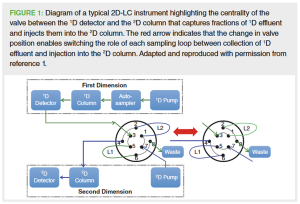
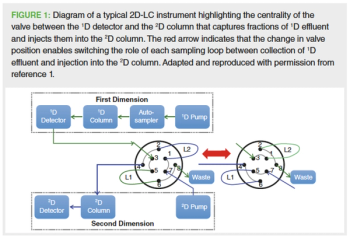
This article will discuss the benefits of 2D-LC and multiple application areas in (bio)pharmaceutical analysis, and will highlight the challenges and future outlook.

Special Issues
An introduction from the guest editors of this special supplement from LCGC Europe focusing on recent trends in pharmaceutical analysis.

Special Issues
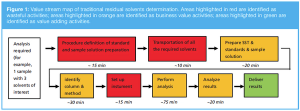
This study demonstrates a new LEAN approach and method, where 25 solvents can be simultaneously determined based on predetermined relative response factors (RRFs) against an internal standard (decane) with only one injection of sample solution.

October 1st 2018