The Column-02-07-2017

Tasmanian Devil.jpg

The Column

A cross-disciplinary team of researchers in Tasmania from the fields of separation science, proteomics and metabolomics, immunology and zoology are on a mission to save the Tasmanian devil from extinction using metabolic fingerprinting of serum to identify biomarkers for Devil Facial Tumour Disease (DFTD). The Column spoke to Naama Karu, Rodrigo Hamede Ross, and Richard Wilson to find out more.
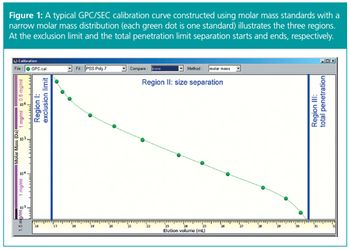

figure 11486467668085.jpg

The Column

Gel permeation chromatography/size-exclusion chromatography (GPC/SEC) is used to determine molar mass averages and the complete molar mass distribution with just one injection. This is possible because GPC/SEC is a fractionating technique. The fractionation power allows the higher molar mass fraction to be characterized and more about low molar mass compounds such as oligomers, additives, or residual educts to be learned.

The Column

Bruker (Bremen, Germany) has announced the acquisition of SCiLS GmbH in Bremen, Germany. Founded as a spin‑off from the University of Bremen, SCiLS develops software tools such as statistical analysis software, sophisticated visualization viewers, and secure cloud-based services for collaborative interpretation of complex mass spectrometry imaging (MSI) data sets. Currently, 95% of all MSI data is acquired by label-free MALDI imaging systems.

The Column

Agilent Technologies Inc. (Santa Clara, California, USA) and Multiplicom N.V. (Niel, Belgium) have announced that they have signed a definitive agreement for Agilent to acquire Multiplicom, a European diagnostics company involved in genetic testing. Agilent is acquiring Multiplicom for approximately €68 million in cash.

bulk water.jpg

The Column

Recent advances in vacuum ultraviolet (VUV) spectroscopy have allowed for the application of this technology as a chemical detection platform for gas chromatography (GC). This technique is known as GC–VUV. A GC–VUV detector can produce highly characteristic absorbance spectra for nearly all chemical species in the wavelength region of 125–240 nm. This enables not only identification but also robust quantitation of a variety of compounds separable by gas chromatography, including water. This article describes the results of a pilot study focused on trace water determination in common organic solvents using an ionic liquid stationary phase GC column in a GC–VUV platform.

enviro RSC.jpg

The Column

The Royal Society of Chemistry’s Environmental Chemistry Group, Water Science Forum, and the Separation Science Group Joint Meeting will be held on Friday 3 March 2017 at the Science Suite of the Royal Society of Chemistry, in Burlington House, Piccadilly, London, UK.