

The Column
A team of scientists has employed mass spectrometry in an effort to identify and classify cancers, when the source is not readily identifiable.
The Column
A team of scientists has employed mass spectrometry in an effort to identify and classify cancers, when the source is not readily identifiable.
The Column
The Lascaux cave in France contains some of the best?known Paleolithic cave art, estimated to be over 17?000 years old.

The Column
A group of researchers in the USA has carried out an investigation using both gas chromatography-mass spectrometry (GC?MS) and inductively coupled plasma mass spectrometry (ICP?MS) to reveal that engineered nanoparticles can accumulate within plants and damage their DNA.
The Column
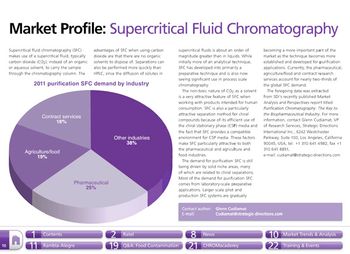
Supercritical fluid chromatography (SFC) makes use of a supercritical fluid, typically carbon dioxide (CO2), instead of an organic or aqueous solvent, to carry the sample through the chromatography column.

The Column
Janet Kelsey of The Column spoke to Joe Anacleto, Vice President of Applied Markets, AB Sciex, and Sky Countryman, Manager, Applied Markets Research Team, Phenomenex, about the impact their companies? joint collaboration project will have on the food safety testing market.
The Column
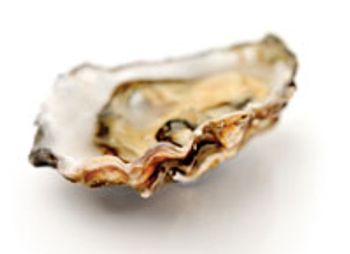
A team of scientists from Spain has isolated a strain of the bacteria Streptococcus parauberis from spoiled vacuum-packed refrigerated seafood.

The Column
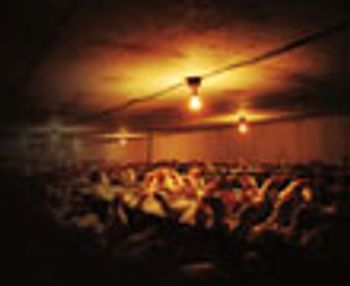
Veterinary drugs have become an integral part of livestock production and play an important role in animal welfare maintenance, mainly for preventing disease, curing infection, controlling the risk of disease transmission to humans and for increasing the productive capacity of animals.
The Column
It is well established that food-producing animals are exposed to toxic micropollutants via environment and feeds, and that micropollutants entering the animals are transferred to edible tissues, thus representing a chemical human health hazard.