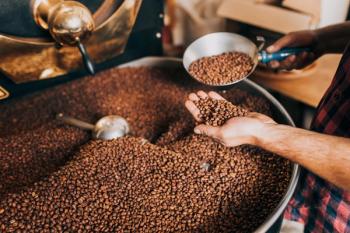
Liquid chromatography–tandem mass spectrometry (LC–MS/MS) finds low glyphosate residues of the weedkiller glyphosate in coffee beans.
Two-dimensional gas chromatography coupled with time-of-flight mass spectrometry (2D-GC-TOF-MS) links volatile compounds to flavor traits in sweet potatoes.
Researchers at North Carolina State University (Raliegh and Kannapolis, North Carolina) identified compounds associated with various flavor attributes in cooked sweet potato using comprehensive two-dimensional gas chromatography coupled with time-of-flight mass spectrometry (2D-GC-TOF-MS). According to the authors of the article inspired by this work, published in the journal Food Chemistry,1what makes this study new and different is that it pinpoints the main factors behind the wide range of flavors found in a large group of sweet potato breeding lines, using an approach guided by taste testing and supported by data modeling. This groundwork sets the stage for future research to dig into the genetics behind these complicated flavor traits, and to better understand how the many different aroma compounds (VOCs) interact with one another to create those flavors.
Why Is It Important to Identify the Specific Compounds Behind Sweet Potato Flavor Diversity?
Sweet potatoes are a nutrient-packed food that plays a major role in diets around the world, and part of what makes them so popular is how adaptable they are to different regions' tastes and preferences.2,3 They are loaded with beneficial plant compounds, including beta-carotene, anthocyanins, and other phenolic compounds, which are known to support health and nutrition. These same compounds may also be part of what gives different sweet potato varieties their own distinct flavors.2,4,5
What Gap in Previous Research Does This Study Aim to Fill?
Even though flavor plays a huge role in whether people actually enjoy and choose to eat them, scientists still do not have a clear picture of exactly which compounds are behind the wide variety of flavors found in cooked sweet potatoes.6“Previous studies,” write the authors of this paper,1 “have focused on a small number of genotypes (n ≤ 10), leaving the chemical-sensory landscape across large genetic populations unexplored. This study sought to characterize the volatile compound composition and sensory attributes of a large sweet potato mapping population, with the goal of linking chemical profiles to flavor attributes that could be used for breeding sweet potatoes with consumer-preferred flavor profiles.”
Which Aroma Compounds Are Responsible for the Different Flavors Found Across a Diverse Population of Sweet Potatoes?
The researchers looked at the mix of aroma-related compounds in a group of 309 sweet potatoes bred from parent plants that had noticeably different flavors. To measure these compounds, they used 2D-GC-TOF-MS to separate and identify different molecules in a sample. From that larger group, they picked 42 sweet potatoes that represented the full range of aroma differences and had a trained tasting panel evaluate them, to see how the chemical makeup lined up with the actual flavors people tasted. In total, the tasters identified 13 distinct flavor characteristics, and the chemical analysis turned up 295 different aroma compounds, including 106 that had never been found in sweet potatoes previously.1
The classic "sweet potato" taste and a "caramel/sweet" flavor were the most noticeable and distinct flavors, and both were linked to a compound called 2-furanmethanol. Other less dominant flavors were tied to specific compounds, too: a "cooked carrot" taste was linked to d-limonene, a "pumpkin/squash" flavor was linked to 2-pinen-10-ol, and a "floral" note was linked to β-ocimene. Some sweet potatoes even had a "baked potato" flavor, which showed up alongside three other compounds: nerol oxide, rose oxide, and phenylethanol. Interestingly, several of the compounds that turned out to be the strongest predictors of these distinctive flavors have not yet been able to be identified by scientists.1
“This research,” write the authors of the paper,1 “provides the framework for identifying VOCs important to sweet potato flavor to guide varietal selection and improvement.”
Read More on Similar Topics
References