The Central Dogma of Molecular Biology states the genetic information stored in our DNA is transcribed into an intermediate molecule, RNA, which is then translated into protein. There are three main types of RNA associated with transcription/translation: messenger RNA, ribosomal RNA, and transfer RNA. All RNAs in the biological system carry post transcriptional modifications: chemical functional groups added to the base, the ribose sugar, or both. The gold standard in analytical technology for identification and characterization of these modifications remains steadfast in the realm of liquid chromatography hyphenated to high resolution accurate mass spectrometry. This paper covers how the analysis of native RNA is technically demanding and how RP-based separation strategies that avoid ion-pairing reagents are in demand. It highlights the use of Orbitrap Tribid MS for system evaluation with and without sulfolane to assess retention, signal stability, and fragmentation efficiency.
In this seventh part of " Conversations with Michael Dong," a series on fundamentals of HPLC in pharmaceutical analysis, LCGC International’s "Perspectives in HPLC" column editor explains why 2.1-mm i.d. columns are less preferred for pharmaceutical quality control.
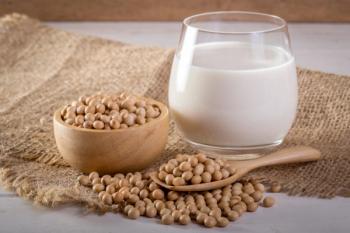
Ultrahigh-performance liquid chromatography–quadrupole time-of-flight mass spectrometry (UHPLC–QTOF-MS) shows how soaking and cooking break down soybean fats.
Nicolai Zederkopff explores chromatography’s role to help implement the maximum tolerable level (MTL) framework for food adulteration to translate analytical results into compliance decisions.
Franz Berthiller (BOKU University, Austria) discusses a multilaboratory study that used retention index markers to align mycotoxin liquid chromatography–mass spectrometry (LC–MS) data.
A QuEChERS/ultrahigh-performance liquid chromatography and high-resolution mass spectrometry (UHPLC-HRMS) method tracks 23 plant toxins in cereals and spices. Michele Suman discusses the method with LCGC International.