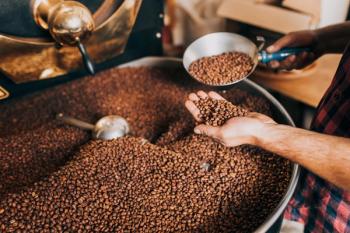
Liquid chromatography–tandem mass spectrometry (LC–MS/MS) finds low glyphosate residues of the weedkiller glyphosate in coffee beans.
Recent highlights in chromatography and mass spectrometry showcased advances in environmental monitoring, biomedical analysis, materials testing, textile safety, planetary science, and scientific communication, demonstrating the expanding impact of LC–MS and GC–MS technologies across research fields.
This week’s featured content highlighted how modern chromatography and mass spectrometry techniques are driving discoveries across diverse scientific fields. Researchers showcased innovative LC–HRMS workflows for evaluating wastewater treatment materials, highly sensitive RP-HPLC methods for tracking gentamicin subtypes in tiny inner-ear samples, and GC–MS lipidomics studies revealing how pesticide exposure disrupts honey bee brain chemistry. Other studies used LC-MS/MS to map age-related collagen crosslinks in human bone, ATD-GC/MS to detect and evaluate chemical migration from children’s clothing, and GC-MS aboard the Curiosity rover to identify a wide range of organic compounds in Martian rocks. Complementing these technical advances, an LCGC blog post examined the growing problem of AI-generated misinformation about chromatography on social media, emphasizing the importance of scientific accuracy and expert oversight.
This is the Best of the Week.
Alba Rodriguez Otero combined liquid chromatography with high resolution mass spectrometry (LC–HRMS) with hierarchical cluster analysis to interpret the non-targeted features to assess this novel workflow to assess novel materials for wastewater treatment.1
A recent study developed and validated a highly sensitive reversed-phase high-performance liquid chromatography (RP-HPLC) fluorescence method using OPA/ethanethiol derivatization to simultaneously quantify multiple gentamicin C-subtypes in tiny murine perilymph samples, enabling improved pharmacokinetic analysis in the inner ear. LCGC International spoke to Shreshtha Dash and Peter Streyger, two of the authors of the paper that resulted from this study, about their work.2
Using gas chromatography–mass spectrometry (GC–MS), researchers showed that low, non-lethal exposure to deltamethrin alters key fatty acids in honey bee brains, indicating disrupted neural metabolism that may underlie pesticide-related cognitive effects.3
Using liquid chromatography-tandem mass spectrometry (LC-MS/MS), researchers mapped where sugar-related collagen crosslinks occur in human bone and found site-specific differences in their distribution and only weak links to bone strength.4
Using automated thermal desorption–gas chromatography/mass spectrometry (ATD-GC/MS), researchers detected multiple chemicals in children’s clothing and showed that their presence, washout behavior, and migration into artificial sweat vary strongly depending on fabric type.5
Using gas chromatography–mass spectrometry (GC-MS) aboard the Curiosity rover, scientists have identified more than 20 organic compounds in ancient rocks from Gale Crater, revealing a diverse mix of carbon-based molecules and helping advance the search for the origin—and possible biological significance—of organic matter on Mars.6
The advent of large language models for text generation and the ease with which artificial intelligence (AI) can be used for image creation have led to posts that include incorrect information about chromatography to begin to proliferate social media.7
References
1. Rodriguez Otero, A.; Matheson, A.Novel Non-Targeted Screening (NTS) Workflow to Assess New Materials for Wastewater Treatment. Chromatography Online website
2. Dash, S.; Streyger, P.; Chasse, J. Sensitive RP-HPLC–Fluorescence Method for Simultaneous Determination of Gentamicin C-Subtypes in Murine Perilymph. Chromatography Online website
3. Chasse, J. GC–MS Lipidomics Reveals Sublethal Deltamethrin Exposure Disrupts Honey Bee Brain Fatty Acid Homeostasis. Chromatography Online website.
4. Chasse, J. LC-MS/MS Mapping of Glucosepane and Pentosidine Crosslinks in Human Bone Collagen. Chromatography Online website.
5. Chasse, J. ATD-GC/MS Detection of Textile Chemicals in Children’s Clothing. Chromatography Online website.
6. Chasse, J. Tracking Martian Organics with Gas Chromatography–Mass Spectrometry. Chromatography Online website.
7. Grinias, J. The LCGC Blog: The Slop Era of Chromatography on Social Media. Chromatography Online website.