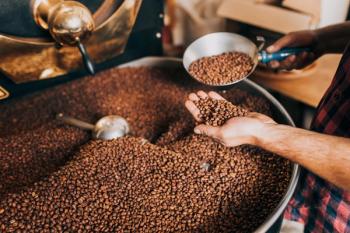
Liquid chromatography–tandem mass spectrometry (LC–MS/MS) finds low glyphosate residues of the weedkiller glyphosate in coffee beans.
This week, Chromatography Online covered MALDI-MSI/LC-GC-MS tissue mapping, phthalate and microplastic screening, coastal pollutant analysis, vitamin D-sleep links, smartphone TLC drug detection, plus FDA 483 guidance and looks at HPLC2026 and the upcoming ISC2026 conferences.
This week's Chromatography Online roundup offered a broad sweep across analytical chemistry, from cutting-edge method development to regulatory guidance and conference previews. On the technical side, researchers detail combining matrix-assisted laser desorption ionization-mass spectrometry imaging MALDI-MSI with liquid chromatography (LC) and gas chromatography-mass spectrometry (GC-MS) to spatially map tissue contaminants, while separate teams apply solid-phase microextraction-gas chromatography-mass spectrometry (SPME-GC/MS) to screen phthalates in bottled water, pyrolysis gas chromatography-mass spectrometry (Py-GC-MS) to quantify microplastics in Korean playgrounds, and GC-tandem mass spectrometry (MS/MS) to track pesticide and PCB pollution in Greek coastal sediments. Health-related applications were also featured, with LC-MS/MS uncovering a link between vitamin D levels and sleep timing, and a smartphone-based TLC method offering a low-cost way to detect drug residue on manufacturing equipment. Rounding out the issue, practical guidance includes troubleshooting takeaways from the HPLC2026 conference and advice on responding to FDA 483 observations, alongside a forward-looking preview of ISC 2026 in Prague this September.
This is the Best of the Week.
Yerkanat Syrgabej of Al-Farabi Kazakh National University (Kazakhstan) and his co-authors detail combining liquid chromatography-mass spectrometry (LC-MS) and gas chromatography-mass spectrometry (GC-MS) with matrix-assisted laser desorption ionization-mass spectrometry imaging (MALDI-MSI) to quantify and spatially map tissue contaminants. 1
HPLC2026 highlights: four talks on liquid chromatography (LC) troubleshooting and problem prevention. 2
Is FDA getting tired of writing warning letters? A new draft guidance shows how companies should respond to Form 483 observations. 3
Researchers have developed an eco-friendly solid-phase microextraction- gas chromatography-mass spectrometry (SPME-GC/MS) method of detecting phthalates in bottled water. 4
ISC 2026 in Prague (September 6–10) covers chromatography fundamentals, LC/GC/SFC, MS hyphenation, AI/ML, and omics applications, featuring three scientific tracks, industry program, and early-career researcher opportunities. 5
Pyrolysis gas chromatography-mass spectrometry (Py-GC–MS) quantifies microplastic exposure risks in Korean playgrounds.6
Gas chromatography-tandem mass spectrometry (GC-MS/MS) reveals organochlorine pesticide and polychlorinated biphenyl pollution levels in Greek coastal sediments. 7
Liquid chromatography-tandem mass spectrometry (LC-MS/MS) ties seasonal vitamin D changes to sleep timing in women.8
Smartphone thin-layer chromatography (TLC) catches tizanidine drug residue on pharmaceutical manufacturing equipment.9
References
1. Syrgabej, Y. ;Zain, N. N. M.; Jano, A et al. Pairing MALDI-MSI with LC/GC-MS for Spatial Data. Chromatography Online website.
2. Stoll, D. Highlights from the HPLC2026 Conference through the Lens of LC Troubleshooting. Chromatography Online website.
3. Lotfinia, M.; McDowall, R. D. How Should You Respond to FDA 483 Observations? Chromatography Online website.
4. Chasse, J. SPME-GC/MS Screening for Phthalates in Bottled Water. Chromatography Online website.
5. Holčapek, M.; Nováková, N. ISC 2026 Preview. Chromatography Online website.
6. Chasse, J. Py-GC–MS Reveals Microplastics in Playgrounds. Chromatography Online website.
7. Chasse, J. GC-MS/MS Maps OCP, PCB Levels in Greek Coastal Sediments.
Chromatography Online website.
8. Chasse, J. LC-MS/MS Links Vitamin D Levels to Sleep Timing. Chromatography Online website.
9. Chasse, J. Smartphone TLC Detects Tizanidine Residue. Chromatography Online website.