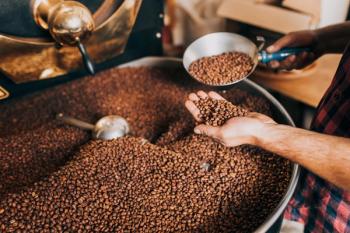
Liquid chromatography–tandem mass spectrometry (LC–MS/MS) finds low glyphosate residues of the weedkiller glyphosate in coffee beans.
This week, Chromatography Online took stock of separation science heading into 2026 and shone a spotlight on the techniques driving discovery across food, environmental, and clinical research.
We presented a broad look at the products and tools shaping analytical workflows in 2025–2026, as well as an expert comparison of HS-SPME, Vac-HS-SPME, and HiSorb methods for profiling volatiles in olive oil. Nick Snow's "GC Connections" column offered a foundational, IUPAC-based refresher on gas chromatography terminology, while Marinella Vitulli discussed her non-target HRMS screening approach for detecting PFAS, bisphenols, and NIAS in food contact materials.
Rounding out the week, our research roundup covered GC-MS/MS air-quality monitoring in Strasbourg, LC-MS/MS insights into shellfish allergen extraction, a novel LC-MS/MS steroid score for predicting heart failure outcomes, and HPLC-DAD/LC-MS profiling used to trace the geographic origin of okra.
Whether your focus is method development, food safety, or clinical biomarkers, this week’s stories presented practical insights for advancing your analytical work.
This is the Best of the Week.
A 2026 snapshot of chromatography, mass spectrometry, software, and laboratory tools advancing automation, compliance, sensitivity, and workflow efficiency.1
LCGC International spoke to Irene Digiglio and Giorgia Purcaro about what they report is the first head-to-head comparison of the HS-SPME, Vac-HS-SPME, and HiSorb techniques for analyzing volatile organic compounds in virgin olive oil.2
"GC Connections" column editor Nick Snow presents an IUPAC-based review of correct gas chromatography terminology and symbols.3
Untargeted HRMS Screening of Emerging Contaminants in Food Contact Materials: PFAS, Bisphenols, and NIAS
LCGC International spoke to Marinella Vitulli—founder of Food Contact Center and Food Contact Services—about her work and her presentation at the recent ASMS conference titled, "Untargeted HRMS Screening of Emerging Contaminants in Food Contact Materials: PFAS, Bisphenols, and NIAS.” The talk detailed a suspect and non-target HRMS screening workflow built around proprietary spectral libraries for food contact material (FCM) safety assessment. 4-6
Gas chromatography-tandem mass spectrometry (GC-MS/MS) analysis maps PAH, PCB, and OCP pollution in Strasbourg, France. 7
Liquid chromatography-tandem mass spectrometry (LC-MS/MS) show how extraction method shapes shrimp allergen data.8
A liquid chromatography-tandem mass spectrometry (LC-MS/MS)-based steroid score predicts heart failure outcomes post-discharge.9
High-performance liquid chromatography with a diode array detector (HPLC-DAD) and liquid chromatography-mass spectrometry (LC-MS) flavonoid profiling classifies okra by geographic origin.10
References
1. Jones, K. Separation Science in 2025–2026: The Products Shaping Analytical Workflows. Chromatography Online website.
2. Digiglio, I.; Purcaro, G.; Chasse, J. Comparing the HS-SPME, Vac-HS-SPME, and HiSorb Techniques. Chromatography Online website.
3. Snow, N. Terminology and Nomenclature for Gas Chromatography, Part 1: Fundamental Definitions. Chromatography Online website.
4. Vitulli, M.; Jones, K. Food Contact Materials: Building a PFAS, NIAS, and Bisphenol Library. Chromatography Online website.
5. Vitulli, M.; Jones, K. Confidence Framework for Suspect and NIAS Identification in Food Analysis. Chromatography Online website.
6. Vitulli, M.; Jones, K. Migration vs. Extraction: Comparing Contaminant Profiles. Chromatography Online website.
7. Chasse, J. GC-MS/MS Tracks Air Pollutants in Strasbourg. Chromatography Online website.
8. Chasse, J. LC-MS/MS Reveals Extraction Effects on Shellfish Allergens. Chromatography Online website.
9. Chasse, J. LC-MS/MS Builds Steroid Score for Heart Failure. Chromatography Online website.
10. Chasse, J. HPLC-DAD/LC-MS Traces Okra's Geographic Origin. Chromatography Online website.