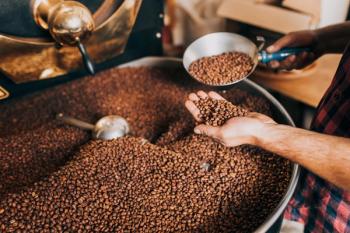
Liquid chromatography–tandem mass spectrometry (LC–MS/MS) finds low glyphosate residues of the weedkiller glyphosate in coffee beans.
Egyptian scorpions of the Androctonus genus produce neurotoxic venom that result in life-threatening stings. However, the composition and enzymatic activities of their venoms remain poorly understood. Researchers used electrophoresis to analyze the protein components of venom collected from three Androctonus species, with high-performance liquid chromatography (HPLC) and mass spectrometry (MS).
High-performance liquid chromatography (HPLC) and mass spectrometry (MS) were used in a recent study published in Journal of Genetic Engineering and Biotechnology that was aimed at characterizing the enzymatic and peptide components of venom of three scorpion species, Androctonus amoreuxi, Androctonus australis, and Androctonus bicolor, all from the family Buthidae (1). The unique biochemical characteristics of these scorpions were identified through the comparison of enzymatic activities (hyaluronidase, protease, and phospholipase A2) and peptide profiles with those of other scorpions of the Buthidae family. The researchers believed that an approach combining functional enzymatic assays with peptide fingerprinting will aid in identifying genus-specific venom properties that impact toxicity and potential biomedical applications.
A complex blend of various components, including enzymes, peptides, lipids, and other unidentified substances, scorpion venom, as noted in another study, “can trigger toxic reactions in humans, and understanding their makeup could play a valuable role in guiding the discovery and development of novel therapeutic drugs.” (2). Proteomic research has revealed that the venom from a single species of scorpion can contain more than 100 unique peptides, usually falling within a molecular weight range of 1–9 kDa (3-7). In addition, some of the enzyme proteins within the venom may be composed of 120–370 amino acid residues (8). Although scorpion venom peptides have been often researched because of their broad range of biological activities (9); the protein constituents of the venom, especially their enzymes, remain understudied in comparison, regardless of their important roles in various physiological processes (10).
HPLC-MS analysis revealed the presence of 369, 324, and 351 components in with molecular masses in the range of 500-10,000 Da in the venoms of A. amoreuxi, A. australis, and A. bicolor, respectively. Disulfide-rich peptides (three disulfide bridges) were abundant, but peptides without disulfide bonds were also detected in all venom samples. All three venoms exhibited hyaluronidase activities, whereas protease and PLA2 activities were either weak (at 1 µg and 10 µg) or undetectable, even at higher concentrations (up to 20 µg). All assays were performed using venoms standardized by dry weight to ensure consistent protein quantities. Crude venoms of A. amoreuxi and A. australis showed antibacterial activity against E. coli and B. subtilis (5-10 μg), whereas A. bicolor required 10 μg. Hydrophobic fractions (40-55 min) of A. australis alone retained this activity (1).
“This work furthers our knowledge of the enzymatic and peptide composition of Androctonus venoms, unveiling their potential in drug delivery enhancement and other biomedical applications,” the authors wrote. “These findings will inform the development of better strategies for the treatment and prevention of scorpion envenomation.” (1)
Read More on Similar Topics:
References