


News|Videos|December 4, 2025
Navigating Adverse Reactions in GLP-1 Treatment
Author(s)Judith Hey-Hadavi, Nicole Snow
Advertisement
Episodes in this series





This episode explores the mechanisms underlying GLP-1 adverse reactions, strategies to minimize GI side effects, and patient-specific factors influencing tolerability. Nicole Snow discusses monitoring and titration approaches tailored to individual patient responses, while Judith Hey-Hadavi emphasizes integrating safety data with clinical decision-making and the importance of managing expectations. Both speakers highlight how dosing, prior exposure, and patient physiology contribute to the overall safety profile of GLP-1 therapies.
Advertisement
Related to this article

In part 1 of "Conversations with Michael Dong," LCGC column editor Michael Dong explains basic drugs and why most drugs are basic rather than acidic.

Florian Geistmann succeeded retiring Jürgen Semmler as Shimadzu Europa managing director on October 1.

Liquid chromatography-mass spectrometry (LC-MS) profiling reveals chemical diversity across grapevine varieties.

Liquid chromatography-mass spectrometry (LC-MS) and nuclear magnetic resonance (NMR) link perinatal factors to infant urinary metabolite changes.

This LCGC Blog installment explains how NIST categorizes and certifies reference materials, and why they underpin reliable results in science and medicine.

Comparing manual and automated N-glycan profiling of a trastuzumab biosimilar, researchers found that both workflows detected the same glycan types, but automation gave more reproducible results (mean CV of about 5.7% vs. 7.95%), making it better suited to high-throughput analysis in biopharmaceutical development.

How can analysts resolve impurities that differ by a single mass unit? Experts discuss deamidation, racemization, HRMS, and 2D-LC for GLP-1 peptides.
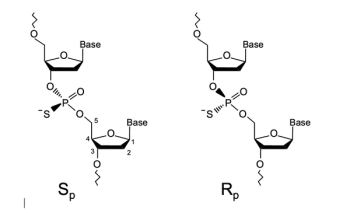
"LC Troubleshooting" explores why phosphorothioate oligonucleotides (ONs) diastereomers challenge liquid chromatography.
Advertisement
Advertisement
Trending on LCGC International
1
HPLC Method Measures Fiber's Cholesterol Uptake
2
The LCGC Blog: NIST Reference Materials
3
Challenges and Solutions in Oligonucleotide Analysis, Part V: Troubles with Phosphorothioate Oligonucleotides
4
Automated GC-MS/MS Method Tackles Oil Phthalates
5