

Feature|Videos|April 1, 2025
A Look at Major Analytical Challenges
Bhanti, Srinivasan, and Burch provide a comprehensive overview of the key analytical challenges chemists face today in detecting nitrosamines in pharmaceuticals.
Advertisement
Episodes in this series
Advertisement
Related to this article
Liquid chromatography–mass spectrometry (LC–MS) proteomics shows spreading colorectal and pancreatic tumors differ.
Sarah Foster found Abbaye yeast meads clustered apart in PCA and HCA, driven by furfural, ethyl octanoate, ethyl decanoate, and furan-2,5-dicarbaldehyde.
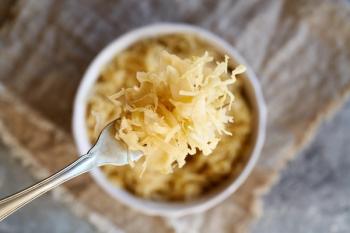
Gas chromatography–mass spectrometry (GC–MS) links Lactococcus and Enterococcus to fruity esters in sauerkraut.
Tuned liquid chromatography–tandem mass spectrometry (LC–MS/MS) separation beats brain matrix effects to quantify psilocin.

Hanrong Wen, Ken Broeckhoven, and Sebastiaan Eeltink of VUB discuss how sub-1 µm particle columns could boost LC performance, and the hurdles to adoption.
From war-zone forensics to IC–MS, Vanessa Abercrombie shares what each role taught her about troubleshooting, throughput, and teaching the “why.”
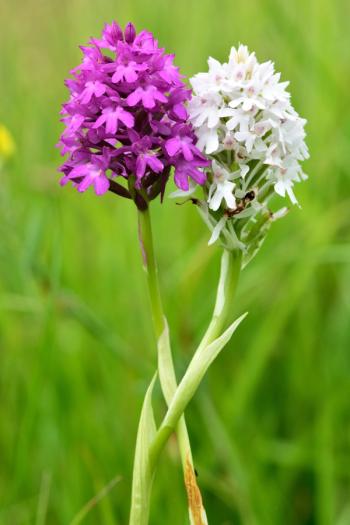
Gas chromatography–mass spectrometry (GC–MS) shows white and pink pyramidal orchids differ in key scent compounds.
Sarah Foster shows how GC×GC–TOF-MS resolves co-eluting mead volatiles, with flame ionization detection flagging trace peaks and system leaks.
Advertisement
Advertisement
Trending on LCGC International
1
LC–MS/MS Method Quantifies Psilocin in Brain Tissue
2
LC–MS Proteomics Maps Bowel and Pancreatic Cancers
3
Peaks & Pioneers: Vanessa Abercrombie on Learning Chromatography’s “Why”
4
From Catalyst Screening to Commercialization: Integrating Catalyst and Flow Process Development
5