Applying Analytical Quality by Design (AQbD) principles to impurity method development enables robust, science-based strategies for characterizing and controlling critical quality attributes in protein therapeutics. This webinar will present a case study on developing a fluorescence-based (FLR) method for quantifying Mannose-5 glycans, demonstrating how risk-based design and systematic evaluation of method parameters enhance reliability, reproducibility, and product understanding across the biopharmaceutical lifecycle.
This week, Chromatography Online explored how the technique is advancing wastewater drug monitoring, siRNA method development, and food safety testing, with previews of RAFA 2026 and a return to HPLC fundamentals with Michael Dong.
In this seventh part of " Conversations with Michael Dong," a series on fundamentals of HPLC in pharmaceutical analysis, LCGC International’s "Perspectives in HPLC" column editor explains why 2.1-mm i.d. columns are less preferred for pharmaceutical quality control.
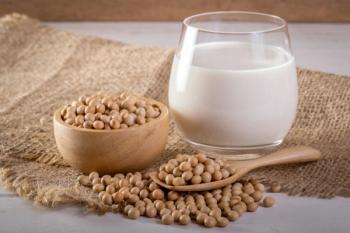
Ultrahigh-performance liquid chromatography–quadrupole time-of-flight mass spectrometry (UHPLC–QTOF-MS) shows how soaking and cooking break down soybean fats.
Nicolai Zederkopff explores chromatography’s role to help implement the maximum tolerable level (MTL) framework for food adulteration to translate analytical results into compliance decisions.