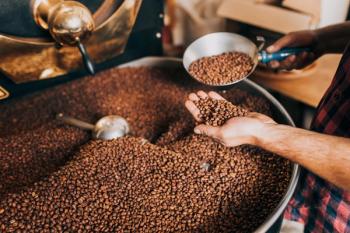
Liquid chromatography–tandem mass spectrometry (LC–MS/MS) finds low glyphosate residues of the weedkiller glyphosate in coffee beans.
This week's Chromatography Online spanned the science and business of chromatography, from methodology to industry news. Victoria Pozo Garcia makes the case for HILIC over reversed-phase LC when profiling small metabolites tied to cell energy production, while a UHPLC–QTOF-MS study uncovers urinary metabolite links between ADHD and pesticide exposure, and gas chromatography reveals a connection between blood DHA levels and brain volume in older women. On the applied side, GC-IMS pinpoints the best pre-cooling method for preserving beef flavor during shipping, chromatography techniques isolate a fish-derived peptide that eases eczema symptoms, and HPLC-SEC-FLD traces the surprising origin of glowing carbon nanodots in beer. Rounding out the issue, a feature on five LCGC roundtables examines the barriers and support systems shaping women's careers in chromatography, alongside industry updates on Waters' strong Q2 financial results and AnalytiChem's new CONOSTAN standards range for fuel testing.
This is the Best of the Week.
Measuring the small molecules that fuel cell metabolism, things like amino acids, sugar phosphates, and energy carriers, turns out to be trickier than it sounds. Victoria Pozo Garcia explains to LCGC International why hydrophilic interaction liquid chromatography (HILIC) tends to work better for these compounds than the more common reversed-phase method.1
What five LCGC roundtables reveal about barriers, mentorship, and networking for women building careers in chromatography.2
Ultrahigh-performance liquid chromatography quadrupole time-of-flight mass spectrometry (UHPLC–QTOF-MS) reveals urinary metabolite links between ADHD and pesticide exposure. 3
Gas chromatography-ion mobility spectrometry (GC-IMS) analysis shows supercooling best preserves beef flavor in shipping. 4
Gas chromatography shows DHA, not EPA, tied to brain volume in older women. 5
Various chromatography techniques purify fish-derived peptide WPN-15, shown to ease eczema signs.6
Size-exclusion high-performance liquid chromatography with fluorescence detection (HPLC-SEC-FLD) and attenuated total reflectance Fourier-transform infrared spectroscopy (ATR-FTIR) trace carbon nanodot glow to beer roasting process. 7
Waters Q2 2026 results show strong chromatography instrument and consumables growth.8
AnalytiChem launches CONOSTAN gas chromatography (GC) standards range covering full ASTM D3606 fuel testing workflow.9
References
1. Pozo-Garcia, V ;Chasse, J. HILIC vs Reversed-Phase LC for Central Carbon Metabolism Profiling. Chromatography Online website.
2. Held, D.; Jones, K. Beyond the Peak: What Keeps Women in Chromatography. Chromatography Online website.
3. Chasse, J. UHPLC–QTOF-MS Links Urine Profiles to ADHD. Chromatography Online website.
4. Chasse, J. GC-IMS Reveals Best Pre-Cooling for Beef Delivery. Chromatography Online website.
5. Chasse, J. GC Links Blood DHA Levels to Brain Volume. Chromatography Online website.
6. Chasse, J. Chromatography Purification Isolates Fish Peptide for Eczema Relief. Chromatography Online website.
7. Chasse, J. HPLC-SEC-FLD Detects Carbon Nanodots in Beer. Chromatography Online website.
8. Chasse, J. Industry Roundup: Waters Posts Strong Q2 Financial Results. Chromatography Online website.
9. Chasse, J. Industry Roundup: AnalytiChem Launches Complete CONOSTAN Standards Range for ASTM D3606 Benzene/Toluene Testing. Chromatography Online website.