Data integrity problems in pharmaceutical quality control laboratories are driving more regulatory action than ever before. It is obvious that something has changed to drive all this activity. There is plenty of information available, but much of it seems to confuse or frustrate rather than clarify or help. In this summary, we will provide clarity, dispelling confusion by looking at the facts, based on a study of available resources and direct interactions with FDA staff and their consultants. You’ll learn from Loren Smith, Agilent’s software compliance expert and a UC Berkeley instructor with 25 years of regulated software experience, how to put the current enforcement environment in historical context, and to apply critical thinking skills to what you hear or read regarding data integrity. You’ll also learn how to evaluate your current laboratory software and associated processes against these new expectations, as well as how vendors are redesigning laboratory software to help you respond to these new realities.
Justin Miller-Schulze and Smith Purdum explain how machine learning and chemometrics can improve fire debris classification in forensic science applications.
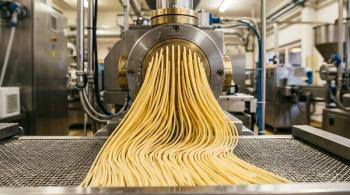
This week, the Chromatography Online website observed National Forensic Science Week with expert interviews on how chromatography helps solve cases, plus career stories from women in analytical science and new research on detecting rat poison in cats and tracking mold toxins in gluten-free pasta.
Kinjal Bhatt argues inclusion advocacy shouldn't fall on women alone, while Ina Varfaj credits sharing the load and learning to say no for avoiding burnout.
Steven Ray Wilson defines organ-on-a-chip as organoids on microfluidic devices, tracing their small, complex samples to the case for automated online LC–MS.