What is thermal desorption and how can it extend the capability of GC? In this podcast, you’ll hear the answers to these questions directly from Elizabeth Woolfenden, a leading expert on this sample introduction technique. As a co-founder of Markes International, widely acknowledged as the world leaders in TD, Elizabeth has been right at the heart of the development of thermal desorption, and will draw on her experience to highlight the scope of the technique, along with key technical innovations and emerging applications. So whether you’re new to TD and want a quick introduction, or an experienced analyst interested in hearing a personal perspective, don’t miss this unique opportunity to get the lowdown on thermal desorption from a major player in the area!
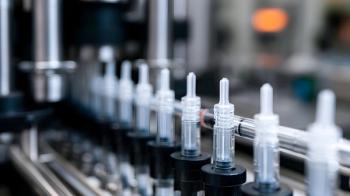
Gas chromatography– (GC) and liquid chromatography–high-resolution mass spectrometry (LC–HRMS) reveal which laboratory consumables leach most plastic additives.
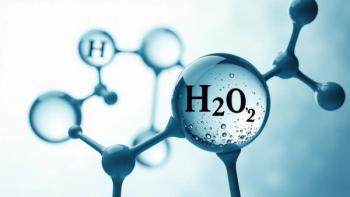
This week's Chromatography Online stories cover the promise and hurdles of sub-1 µm LC columns, Vanessa Abercrombie's career lessons, chemometric studies of mead, USP <665> extractables for antibody–drug conjugates, and new LC–MS and HPLC work on hydrogen peroxide, cancer proteomics, atropine contact lenses, and stevia.
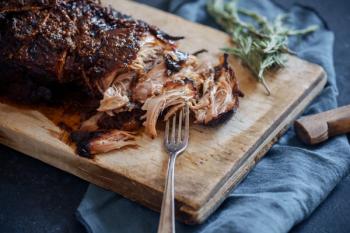
Gas chromatography–mass spectrometry (GC–MS) and high-performance liquid chromatography (HPLC) show native Chinese pork has richer flavor, healthier fats.
Bin Sun of Cytiva explains his study testing whether USP <665> 50% ethanol extractables data covers DMA and DMSO in antibody–drug conjugate processing.