Volatile organic compounds (VOCs) are carbon containing compounds that evaporate easily at normal temperatures. They are typically generated from petroleum products, plastics, paints and solvents,. Other sources are the disinfecting agents used to control microbial contaminants in drinking water. Disinfecting agents react with naturally occurring organic matter in the source water to produce VOCs known as trihalomethanes. When VOCs are spilled or improperly disposed of a portion will evaporate, but some will soak into the ground and eventually end up in drinking water supplies
A method coupling gas chromatography-tandem mass spectrometry (GC-MS/MS) and multiple reaction monitoring (MRM) tracks lipid markers of decomposition in commingled remains.
This week's top stories on the Chromatography Online website spotlight LCGC International's new SFC-focused interview series charting the technique's rise alongside LC and GC, complemented by a practical GC data-reporting refresher and a study using chromatography to detect trace pesticides in tap water.
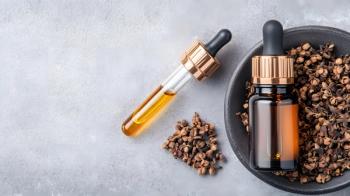
Headspace gas chromatography-ion mobility spectrometry (HS-GC-IMS) and gas chromatography-olfactometry-mass spectrometry (GC-O-MS) reveal aroma compounds in two Sichuan pepper oils.