


To address multi-drug resistance (MDR) among harmful substances, liquid chromatography–tandem mass spectrometry was used to test fosfomycin as a means of bypassing growing MDR amongst microorganisms.
Aaron Acevedo is the Assistant Editor for LCGC and Spectroscopy. Direct correspondence to: aacevedo@mjhlifesciences.com
To address multi-drug resistance (MDR) among harmful substances, liquid chromatography–tandem mass spectrometry was used to test fosfomycin as a means of bypassing growing MDR amongst microorganisms.

Diflubenzuron and similar compounds can be signs of cattle fever ticks, which can cause morbidity in cattle. LC–MS/MS was recently tested as a means of detecting these disease-carrying insects.

Detecting tryptophan and other metabolites can be done using various techniques. Researchers created a new UHPLC–MS/MS-based method for quantifying these substances in human plasma.
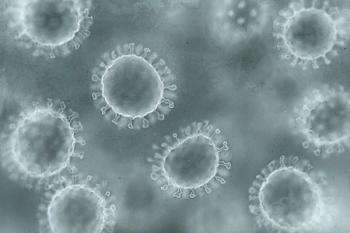
HIV-based virus-like particles can be difficult to characterize in samples. Recently, researchers from institutions in Germany enhanced anion-exchange chromatography procedures to better detect and treat these substances.

In the final moments of our interview with Jennifer Geddes-McAlister of the University of Guelph, she shares the most important advice she would like to impart on the next generation of mass spectrometrists.
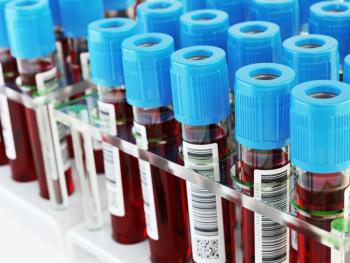
While venous blood sampling can help gain understanding of patients’ health through phenolic compound analysis, this process can prove discomforting. Volumetric absorptive microsampling has recently been proposed as a more suitable and equally effective alternative.
In the penultimate section of our interview with Jennifer Geddes-McAlister of the University of Guelph, she shares why diversity–and awards like the ASMS Diversity, Equity, Inclusion and Accessibility (DEIA) Mentorship Awards–are important in scientific research.
Jennifer Geddes-McAlister, winner of the ASMS 2025 Diversity, Equity, Inclusion and Accessibility (DEIA) Mentorship Award, recently talked with us about the importance of being mentored and being a mentor to others.
In the third section of our interview with Jennifer Geddes-McAlister of the University of Guelph, winner of the ASMS 2025 Diversity, Equity, Inclusion and Accessibility (DEIA) Mentorship Award, she shares what she finds most fulfilling about teaching mass spectrometry.

Dimethylamine (DMA) is the smallest organic amine, typically being found in both humans and marine ecosystems. Dimitrios Tiskas of Hannover Medical School recently analyzed the nature and significance of DMA and other amines.

Here is some of the most popular content posted on LCGC International this week.
In the second section of our interview with Jennifer Geddes-McAlister of the University of Guelph, winner of the ASMS 2025 Diversity, Equity, Inclusion and Accessibility (DEIA) Mentorship Award, she discusses her hopes for the upcoming ASMS 2025 conference in Baltimore.

Isavuconazole, an antimycotic agent used to treat fungal infections, can typically be found during dried blood spot sampling. However, there are obstacles that keep it from being an ideal approach for properly determining the drug’s presence.
In the first section of our interview with Jennifer Geddes-McAlister of the University of Guelph, she discusses her feelings on winning the ASMS 2025 Diversity, Equity, Inclusion and Accessibility (DEIA) Mentorship Award.

High-performance liquid chromatography (HPLC) was recently used to detect acylated impurities in artificial hormones meant to treat prostate cancer symptoms.

A new tutorial article has been created focusing on the best practices in batch sorption when removing contaminants using biochar-based techniques.

In the final moments of our interview with Christian Bleiholder of Florida State University, he discusses the mentors from his early scientific career and imparts advice to future mass spectrometrists.
Here is some of the most popular content posted on LCGC International this week.
In the second section of our interview with Christian Bleiholder of Florida State University, he discusses the work he and his undergraduates are working on in the Bleiholder Laboratory.

We recently interviewed Emma Guiberson, winner of the ASMS 2025 Research at PUI Award, about her research, professional background, and what she wishes to impart to the next generation of mass spectrometrists.
In the first section of our interview with Christian Bleiholder of Florida State University, he discusses his award-winning research that earned him the ASMS 2025 Ron Hites Awared.

Chinese researchers created a new approach for identifying and quantifying illegal additives in fruit and vegetable plums, types of often-consumed health-care foods.

Mass spectrometry (MS) can be effective in identifying unknown compounds, though this can be complicated if spectra is outside of known databases. Researchers aimed to test MS databases using electron–ionization (EI)–MS.
Here is some of the most popular content posted on LCGC International this week.

3D printing technology has potential in chromatography, but a major challenge is developing materials with both high porosity and robust mechanical properties. Recently, scientists compared the separation performances of eight different 3D printable stationary phases.

Ion mobility spectrometers can detect trace compounds quickly, though they can face various issues with detecting certain peaks. University of Hannover scientists created a new system for resolving hyper-fast gas chromatography (GC) peaks.

Bacteriophages are vital for addressing antibiotic-resistant bacteria, though phage therapies are currently rare. University of Lisbon researchers recently created a new purification workflow to address these concerns.

Many multi-column gas chromatography systems use two-position multi-port switching valves, which can suffer from delays in valve switching. Shimadzu researchers aimed to create a new sampling and switching module for these systems.

Polyamides can be difficult to characterize, despite their use in various aspects of everyday life. Vrije Universiteit Amsterdam researchers hoped to address this using a reversed-phase liquid chromatography (RPLC)-based approach.

As the push for green chemistry continues to grow, University of Almeria researchers created a review for ways chromatographic techniques could be more environmentally friendly.