Columns | Column: Sample Prep Perspectives

Because sample preparation uses the most solvents, it is typically the least environmentally friendly step of the process. While completely eliminating sample preparation is the ideal "green" scenario, it is rarely practical. Therefore, over the next few columns, "Sample Prep Perspectives" will evaluate various tools developed over the past decade to gauge the sustainability of these methods, with the ultimate goal of helping the scientific community adopt a universal, practical standard for measuring analytical "greenness."

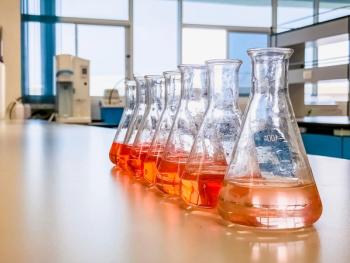
The Erlenmeyer flask in the line with color range solvent using for analysis calibration curve of iron in waste water sample. The experiment in chemistry laboratory. | Image Credit: © Arpon - stock.adobe.com

In recent years, analytical chemists have increasingly adopted a sustainability viewpoint. Yet, at the same time, they still use traditional organic solvents for extractions and other procedures. In this installment of Sample Preparation Perspectives, we will look at solvent selection from green considerations. Trends on solvent use are presented, followed by a discussion on what makes a green solvent. Finally, the CHEM21 Solvent Selection Guide is examined as representative of tools for selecting green solvents for use in analytical methods and other chemical processes.

sample preparation visual

QuEChERS has been updated to suit modern instrumentation. Now also “efficient and robust,” QuEChERSER is a “mega-method” that covers a wider polarity range.

LCGC North America

Proper sample preparation is vital. We look at formal and informal training opportunities to educate chemists in the fundamentals of sample preparation skills.