
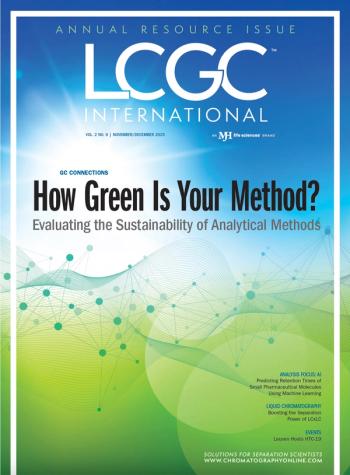
Click here to access the LCGC International November/December 2025 Europe PDF in an interactive format.
Click here to access the LCGC International November/December 2025 Europe PDF in an interactive format.
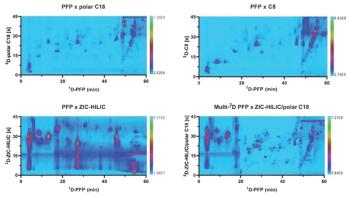
The article discusses advancements in two-dimensional liquid and gas chromatography (LC×LC and GC×GC) to address the challenges of analyzing complex samples in non-target analysis.
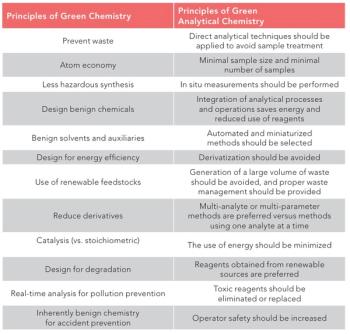
With the increasing interest in green chemistry and sustainability, analytical chemists are developing new methods and reexamining existing methods with a new emphasis on sustainability and environmental impact. Since the publication of the principles of green chemistry in the 1990s and the principles of green analytical chemistry in the 2000s, several scoring systems for evaluating the greenness or sustainability of analytical methods have been developed. In this column, we will examine three widely used scoring methods: Red, green blue (RGB), the analytical greenness metric (AGREE), and the analytical method greenness score (AMGS) with comments on how they all apply to gas chromatography (GC). We will see that classical GC, which has roots in the origins of the environmental movement, has been and remains among the greenest of analytical techniques.
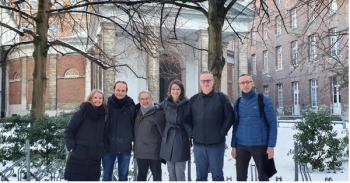
HTC-19 in Leuven will showcase the latest advancements in hyphenated techniques. This preview offers a glimpse of what you can expect.
Jessica Lin and Zhenqi (Pete) Shi from Genentech describe a novel machine learning approach to predicting retention times for small molecule pharmaceutical compounds across reversed-phase high performance liquid chromatography (HPLC) columns.