
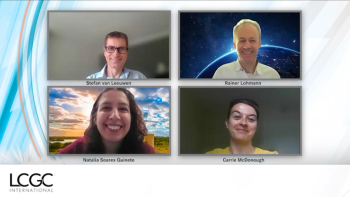
The panelists introduce their backgrounds, research focus areas, and what drew them into the field of PFAS analysis, setting the stage for a deep dive into current challenges and innovations.
The panelists introduce their backgrounds, research focus areas, and what drew them into the field of PFAS analysis, setting the stage for a deep dive into current challenges and innovations.

The experts explore the most pressing analytical challenges in PFAS analysis, highlighting persistent issues such as contamination, detection limits, background blanks, and other method-related obstacles encountered in the lab.
In this episode the panelists explore emerging analytical techniques that are enhancing PFAS quantification.
The panelists discuss the challenges of analyzing short-chain PFAS and highlights how emerging techniques like ion mobility offer promising solutions.

In this episode the panelists unpack how laboratories can reduce background contamination and improve sensitivity through rigorous method optimization and instrument handling.

The panel examines how evolving global regulations are shaping approaches to PFAS analysis, while also highlighting how ongoing research enhances our understanding of these contaminants and informs regulatory decision-making.

Scientists examine the role of non-targeted analysis in discovering unknown PFAS, and how automation and data processing tools are accelerating this work.
Panelists discuss the creation and use of PFAS libraries and databases, stressing the need for comprehensive, up-to-date resources to support accurate compound identification.
The conversation turns to collaboration—highlighting the value of cross-sector partnerships in advancing PFAS science, securing funding, and fostering scientific progress.
The panel concludes by envisioning the future of PFAS research and analysis.