

News|Videos|June 19, 2025
Pressing Analytical Challenges in PFAS Analysis
Advertisement
In the second episode, the panel delves into the most pressing analytical challenges in PFAS analysis, spotlighting persistent issues such as contamination, detection limits, background blanks, and other method-related hurdles faced in the lab.
To watch the full series of videos from this peer exchange, visit
Episodes in this series




Advertisement
Related to this article
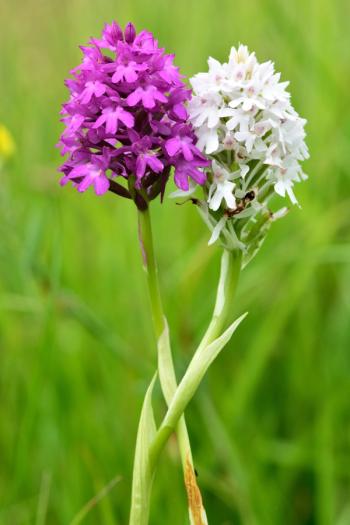
Gas chromatography–mass spectrometry (GC–MS) shows white and pink pyramidal orchids differ in key scent compounds.

Sarah Foster shows how GC×GC–TOF-MS resolves co-eluting mead volatiles, with flame ionization detection flagging trace peaks and system leaks.

Liquid chromatography–mass spectrometry (LC–MS) finds cord blood fat profiles differ after suspected preterm labor.

This week, Chromatography Online’s coverage includes a magnetic aerogel for pesticide testing, food aging and aroma studies, forensic alcohol analysis, Diego Rivera’s mural materials, and metabolic and anesthetic research, plus David S. Bell’s 2026 EAS Award in Separation Science.
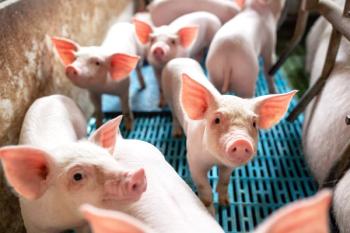
Gas chromatography shows pigs cleared only 15% of isoflurane in two hours.

Gas chromatography–mass spectrometry (GC–MS) shows 12 minutes of heating gives peach juice its best aroma profile.

Liquid chromatography–mass spectrometry (LC–MS) shows fat metabolism only partly recovers after joint replacement.
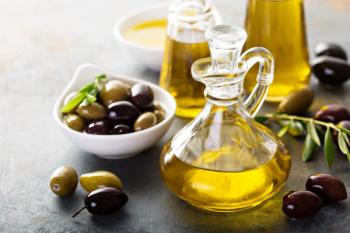
Liquid chromatography–mass spectrometry (LC–MS) pigment profiling links Brazilian olive oils to variety and region.
Advertisement
Advertisement
Trending on LCGC International
1
GC–MS Links Orchid Color to Scent and Pollination
2
Screening Cosmetics for PFAS: Measuring Total Organic Fluorine by Combustion Ion Chromatography
3
GC–MS Tracks How Heat Shapes Peach Juice Aroma
4
The Role of GC×GC–TOF-MS in Resolving Co-Eluting Volatiles in Mead
5