



LCGC Europe
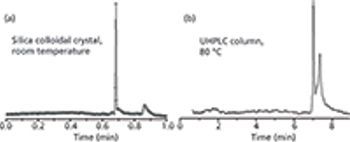
This instalment describes recent advances and best practices in HPLC analysis of intact monoclonal antibodies (mAbs) and their variants and fragments.
LCGC Europe
This instalment describes recent advances and best practices in HPLC analysis of intact monoclonal antibodies (mAbs) and their variants and fragments.

LCGC North America
The latest approaches to antibody characterization go beyond ion-exchange, size-exclusion, and reversed-phase modes to make use of affinity, hydrophobic interaction, mixed-mode, and HILIC techniques.

The Column
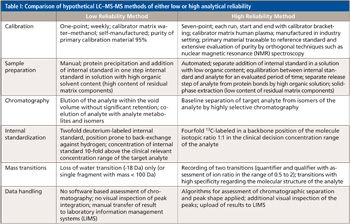
Laboratories all around the world stand or fall by their reputation for accuracy and quality control.

LCGC Europe
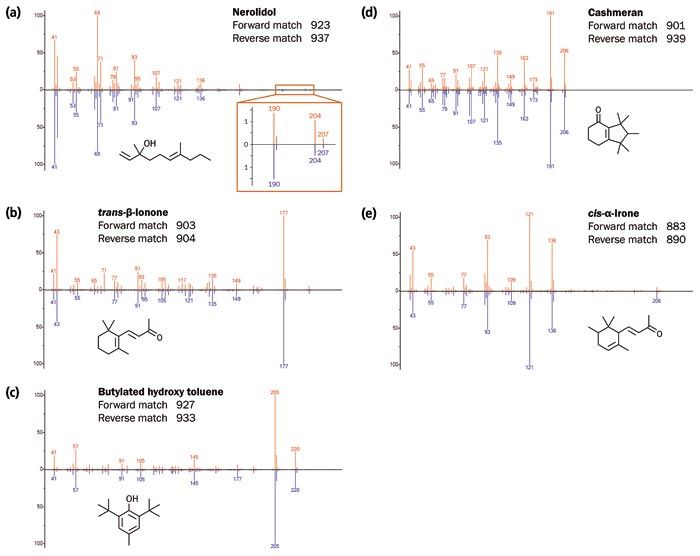
Using narrow-bore column fast GC combined with rapid scanning qMS to analyse flavours and fragrances is described.

The Column
This quality control of bioethanol verifies maximum concentrations of methanol, higher alcohols and other impurities in bioethanol.
LCGC Europe
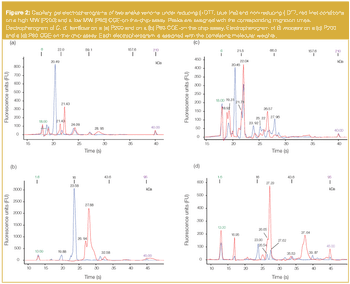
The evaluation of the state of a biological sample before starting the complex analyses is a crucial step in proteomics studies. This paper compares planar polyacrylamide gel electrophoresis (SDS-PAGE) and capillary on-the-chip SDS GE (CGE-on-the-chip) in terms of the speed of analysis, sensitivity and flexibility. Snake venoms, which are heterogeneous with high bioactivity and consist mainly of proteins with a molecular weight mass range below 100 kDa, were investigated. CGE-on-the-chip was found to be a faster and more stable technique, providing more information than classical SDS-PAGE. CGE-on-the-chip was also capable of detecting many compounds over a broad molecular weight mass range whereas the SDS-PAGE is more time-consuming and provides acceptable resolution either in the very low (below 17 kDa) or in the mid- to high-molecular mass region (16–200 kDa) depending on the gel/buffer-system selected.
LCGC Europe
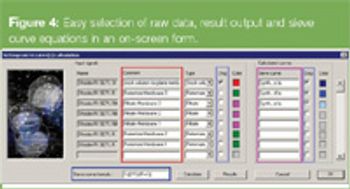
Because GPC is a reliable, simple and fast characterization method it can be readily adopted to investigate the separation behaviour of membranes.