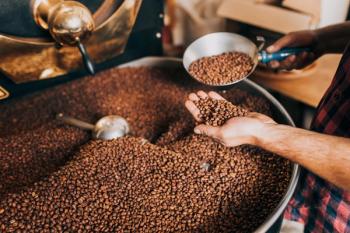
Liquid chromatography–tandem mass spectrometry (LC–MS/MS) finds low glyphosate residues of the weedkiller glyphosate in coffee beans.
Gas chromatography-mass spectrometry (GC-MS) and high-performance liquid chromatography (HPLC) analyses demonstrate that walnut septum extracts exhibit habitat-dependent compositional variability in amino acids and phenolics, which correlates with differences in antimicrobial activity against Gram-positive and Gram-negative bacteria.
Walnut septum (WS), an abundant yet underutilized by-product of walnut processing, has emerged as a compelling matrix for analytical investigation, offering a rich reservoir of bioactive compounds with notable antioxidant and antimicrobial potential. Lithuanian researchers aiming to characterize the phytochemical composition of WS extracts from different habitat origins and evaluate their antimicrobial activity profiled total amino acids using gas chromatography-mass spectrometry (GC-MS), while analyzing phenolic compounds was done using high-performance liquid chromatography (HPLC). A paper based on their work was published in the journal Plants.1
Why is Walnut Septum (WS) an Analytically Relevant Matrix for Compositional Characterization and Bioactive Compound Profiling?
The thin partition separating the kernel within the nut, WS represents a significant yet underexplored by-product with considerable analytical interest. Comprised of a structurally complex lignocellulosic matrix originating from metabolically active tissues and notably enriched in diverse secondary metabolites, WS has become a compelling target for advanced characterization, with its constituents offering potential functional and pharmacological relevance.2-6 Because of its role in the walnut’s structure, the WS tends to build up compounds like ellagitannins and other tannins. These substances help protect the plant by acting as natural antioxidants and by fighting off microbes.7Research on WS has shown that it contains a rich mix of natural compounds called polyphenols. These are thought to support digestion and brain health and may also help lower the risk of heart disease, type 2 diabetes, and some cancers.2-4,8,9
What Did the Research Reveal?
The findings revealed a chemically complex profile of amino acids and polyphenolic constituents, notably including ellagic acid and quercitrin. Importantly, pronounced variability linked to habitat origin was observed, significantly influencing both the qualitative and quantitative distribution of phenolic compounds and total amino acids in walnut septum extracts. Antimicrobial activity, evaluated against both Gram-positive (which have thick, multilayered peptidoglycan walls and produce exotoxins) and Gram-negative bacteria (which have thin, single-layered walls and produce endotoxins),10 further reflected this compositional heterogeneity, with efficacy closely correlated to variations in phenolic profiles driven by environmental factors.1
The researchers stated that, given the restricted sample set and the predominantly qualitative antimicrobial evaluation, the observed patterns should be interpreted as indicative trends rather than conclusive evidence of geographic effects. This highlights the need for more comprehensive, quantitatively robust studies to elucidate the mechanistic basis of antimicrobial activity and to resolve region-dependent metabolomic variability. Nevertheless, the team believes that their findings position walnut processing by-products as promising candidates for valorization in nutraceutical and cosmetic applications, warranting further analytical and translational investigation.1
Read More on Similar Topics
References