Clarity QSP provides an alternative trityl-on approach for separating truncated sequences and synthetic contaminants from the protected full-length sequence. By incorporating a polymeric sorbent with a unique buffer formula, aborted fragments and synthetic contaminants are removed during sample loading offering a departure from the traditional RPC mechanism. Multiple buffers and gradient elutions are eliminated, thereby making Clarity QSP a 3-step product for trityl-on oligonucleotide purification.
Color tests, handheld Raman, and portable GC–MS struggle with designer drugs and mixtures; Ira Lurie makes the case for portable liquid chromatography.
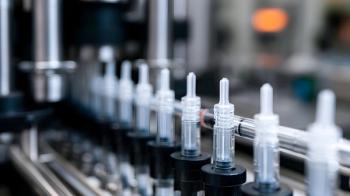
Gas chromatography– (GC) and liquid chromatography–high-resolution mass spectrometry (LC–HRMS) reveal which laboratory consumables leach most plastic additives.
This week's Chromatography Online stories cover the promise and hurdles of sub-1 µm LC columns, Vanessa Abercrombie's career lessons, chemometric studies of mead, USP <665> extractables for antibody–drug conjugates, and new LC–MS and HPLC work on hydrogen peroxide, cancer proteomics, atropine contact lenses, and stevia.
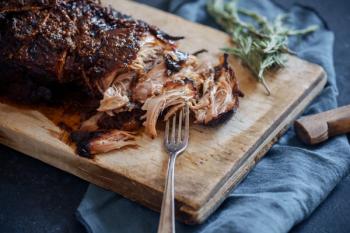
Gas chromatography–mass spectrometry (GC–MS) and high-performance liquid chromatography (HPLC) show native Chinese pork has richer flavor, healthier fats.
Bin Sun of Cytiva explains his study testing whether USP <665> 50% ethanol extractables data covers DMA and DMSO in antibody–drug conjugate processing.