Plastics play a role in just about every market sector and research area including agriculture,
food, packaging, pharmaceuticals, medical implants, and personal care products, making the
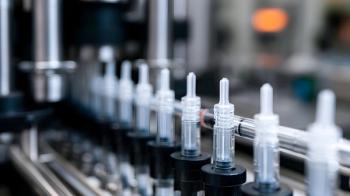
potential leaching of additives like antioxidants or slip additives a major concern. In this article learn how the EDGE is able to extract additives from plastics in a fraction of the time of traditional techniques.
Color tests, handheld Raman, and portable GC–MS struggle with designer drugs and mixtures; Ira Lurie makes the case for portable liquid chromatography.
Gas chromatography– (GC) and liquid chromatography–high-resolution mass spectrometry (LC–HRMS) reveal which laboratory consumables leach most plastic additives.
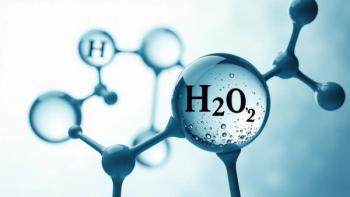
This week's Chromatography Online stories cover the promise and hurdles of sub-1 µm LC columns, Vanessa Abercrombie's career lessons, chemometric studies of mead, USP <665> extractables for antibody–drug conjugates, and new LC–MS and HPLC work on hydrogen peroxide, cancer proteomics, atropine contact lenses, and stevia.
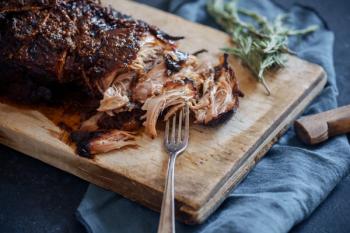
Gas chromatography–mass spectrometry (GC–MS) and high-performance liquid chromatography (HPLC) show native Chinese pork has richer flavor, healthier fats.
Bin Sun of Cytiva explains his study testing whether USP <665> 50% ethanol extractables data covers DMA and DMSO in antibody–drug conjugate processing.