


Scientists from the University of Córdoba in Córdoba, Spain recently used liquid chromatography–tandem mass spectrometry (LC–MS/MS) to comprehensively profile human ceramides to determine their reactions to diseases.
Aaron Acevedo is the Assistant Editor for LCGC and Spectroscopy. Direct correspondence to: aacevedo@mjhlifesciences.com
Scientists from the University of Córdoba in Córdoba, Spain recently used liquid chromatography–tandem mass spectrometry (LC–MS/MS) to comprehensively profile human ceramides to determine their reactions to diseases.

Scientists from Anhui University of Chinese Medicine in Hefei, China recently investigated the mechanisms behind what makes huachansu tablets, a type of traditional Chinese medicine (TCM), effective against liver cancer.

In this interview, Angela Calderón of Auburn University discusses the importance of using more environmentally friendly analysis techniques.

Here are the top five articles that the editors of LCGC International published this week.

Scientists from the Netherlands created a new LC–MS/MS assay to test new small molecular inhibitors (SMIs) and their effectiveness in prognosing lung cancer.

In this edition of "Inside the Laboratory," John A. McLean, the dean of graduate education and research at the College of Arts & Science of Vanderbilt University, discusses his laboratory's recent work regarding ion mobility-mass spectrometry (IM-MS) and how it can be applied in various fields.

In this interview from Analytica 2024 in Munich, Germany, Michael Lämmerhofer of the University of Tuebingen discusses the potential of chiral stationary phases (CSPs) in different applications.
Here are the top five articles that the editors of LCGC International published this week.
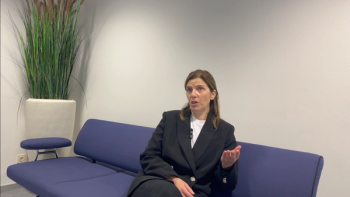
At Analytica 2024 in Munich, Germany, LCGC International sat down with Elia Psillakis of Technical University of Crete to discuss circular analytical chemistry and the importance of sustainable chemistry.
Here are the top five articles that the editors of LCGC International published this week.

In a recent study, scientists evaluated different microextraction methods using green analytical chemistry (GAC) metrics.

A group of Malaysian and American scientists recently analyzed the benefits of using green metrics for detecting emerging contaminants (ECs) using analytical methods.

In a recent study, scientists from Europe reflected over how more testing protocols must be created to monitor and control micro- and nanoplastics (MNPs) in soil.

Yuefei Ruan from the City University of Hong Kong, China, discusses the relevance of target analysis, extractable organofluorine analysis, high-resolution mass spectrometry (HRMS) screening, and the oxidative conversion of precursors for the analysis of PFAS in aquatic environments.
Here are the top five articles that the editors of LCGC International published this week.
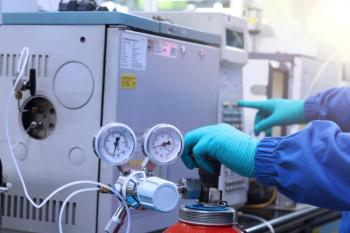
Element Materials Technology introduced its Rapid Response Pharmaceutical Testing Service, providing expedited testing and focusing on various requirements including active ingredients and final drug products, extractables and leachables, degradation production, and elemental impurities.

Joycelyn Tan, a PhD candidate at the University of Cambridge, is the 2024 recipient of the Darlene Solomon Award, co-sponsored by Females in Mass Spectrometry and Agilent Technologies, and created to provide support for up-and-coming women scientists.

Scientists from Auburn University recently investigated how natural deep eutectic solvents (NADES) can be incorporated into high-performance liquid chromatography (HPLC) mobile phases.

Scientists recently tested a new system for detecting and extracting favipiravir from plasma samples.

Scientists from the Affiliated Hospital of Putian University recently analyzed the dysregulation of lipid metabolism in patients suffering from chronic hepatitis B patients.

Scientists from the Tabriz University of Medical Sciences are investigating a new dispersive solid phase extraction (DSPE) method for extracting phenolic compounds from aqueous samples.
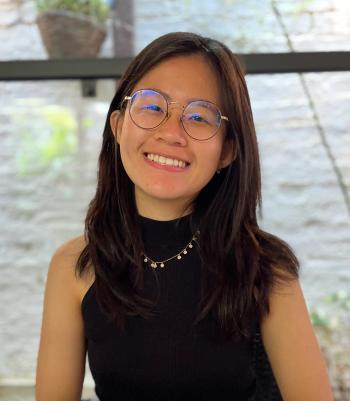
Joycelyn Tan of the University of Cambridge recently won the Darlene Solomon Award for her notable research into mass spectrometry.

The company’s new service will provide expedited testing to customer around the world.

This week, LCGC International published a variety of articles on the hottest topics in chromatography and beyond. Below, we’ve highlighted some of the most popular articles, according to our readers. Happy reading!

In a recent study from the GITAM School of Pharmacy, two scientists used different liquid chromatography techniques to assess the properties of ozenoxacin (OXC) and its degradation products.

Scientists investigated using this method to measure volatile organic compounds in the breath of patients with chronic kidney disease.

In a recent study out of Boehringer Ingelheim Animal Health USA Inc. in North Brunswick, New Jersey, scientists investigated cloruson and its related substances using an original ion-paired reversed phase ultraperformance liquid chromatography (IP-UHPLC) method.
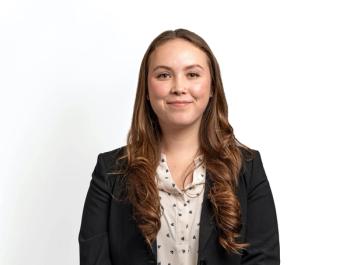
Metrohm USA announced Katelyn Michael as the 2024 winner of its Young Chemist Award for her work on the degradation of perfluorooctanesulfonic acid (PFOS).

Two awards will be given at Analytica 2024, both of which highlight the work of young analytical scientists.

The 2024 Analytica conference will house multiple workshops that will discuss different aspects of analytical chemistry. Three of these workshops are herein explained in detail.