


Scientists recently developed new GC/LC-Q-TOF/MS-based method for determining pesticides in Angelica sinensis, a traditional Chinese medicine.
Aaron Acevedo is the Assistant Editor for LCGC and Spectroscopy. Direct correspondence to: aacevedo@mjhlifesciences.com
Scientists recently developed new GC/LC-Q-TOF/MS-based method for determining pesticides in Angelica sinensis, a traditional Chinese medicine.

LCGC International sat down with Faith Johnson of ECOLAB to discuss her career and work with the Females in Mass Spectrometry (FeMS) group.

In a new study, scientists introduced no-code automation as a strategic response for addressing talent shortages in the chemical industry.
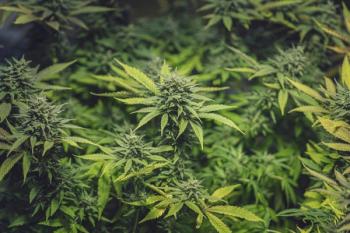
Messina Institute of Technology scientists used gas chromatography–mass spectrometry (GC–MS) was used to profile illegal samples of Cannabis sativa L.

Here is some of the most popular content posted on LCGC International this week.

The grant will be part of a new collaborative scientific initiative to address the need for standards that define the desired performance of lateral flow immunoassay test strips to detect illicit drugs in tablets and powders.

Nicholas Ingram of IQVIA Laboratories recently spoke with LCGC International about using high-resolution mass spectrometry (HRMS) to help monitor drug stability.
Scientists from Peking Union Medical College & Chinese Academy of Medical Sciences created a new method for separating palonosetron hydrochloride, which is frequently used to prevent acute or delated nausea and vomiting caused by chemotherapy.

Manitoba Centre for Proteomics and Systems Biology scientists produced a new means of predicting peptide retention times for hydrophilic interaction liquid chromatography (HILIC) at acidic pH in formic-acid based eluents.

Politecnico di Milano scientists recently created a new optimization strategy for chromatographically purifying oligonucleotides.
Here is some of the most popular content posted on LCGC International this week.
Scientists from the Institute of Analytical Chemistry of the Czech Academy of Sciences and Masaryk University recently tested various saliva sampling methods to optimize bile acid analysis.
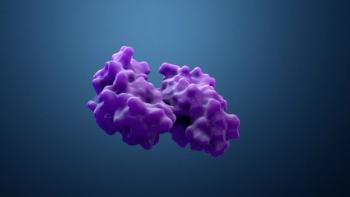
Michael G. Bartlett of the University of Georgia looked at how hydrophilic interaction liquid chromatography (HILIC) has evolved for oligonucleotide analysis in a new article.
Here is some of the most popular content posted on LCGC International this week.

Scientists recently used thermal desorption (TD) and gas chromatography– time-of-flight mass spectrometry (GC×GC-TOFMS) to track per- and polyfluoroalkyl substances (PFAS) emissions from materials used in firefighter gear.

Raquel Gonzalez de Vega of the University of Graz recently spoke to us about her work tracking per- and polyfluoroalkyl substances (PFAS) in ski wax products.

Researchers from Bristol Myers Squibb and Sanofi recently tested a new means of using hydrophobic interaction chromatography (HIC) for removing impurities in monoclonal antibodies (mAbs).

Northwest University and Shaanxi Institute for Food and Drug Control scientists recently tested a new means of separating bioactive compounds from herbal extracts.
Here is some of the most popular content posted on LCGC International this week.

Scientists from Institut de Combustion, Aérothermique, Réactivité et Environnement (ICARE-CNRS) in Orléans, France and Chromatotec in Saint-Antoine, France recently created a new algorithm for detecting volatile organic compounds (VOCs) in ambient air.

Universidade Federal do Rio Grande scientists recently created a vortex-assisted matrix solid-phase dispersion (VA-MSPD) method for extracting persistent organic pollutants from shrimp.
Here is some of the most popular content posted on LCGC International this week.

MS-SMART integrates three intelligent algorithms: automatic mining of diagnostic ions, rapid filtration of alkaloids from untargeted MS/MS data, and structural recommendations for filtered components.

Analyzing biological samples is crucial for disease diagnosis and treatment, public safety, and forensic examination.

At the AOAC International 2024 Annual Meeting & Exposition in Baltimore, Maryland, scientists were recognized for their contributions to analytical chemistry.

ETHZ and Agroscope scientists tested a new means of analysis against secondary electrospray ionization (SESI) coupled to high-resolution-mass spectrometry (HRMS) for exhaled breath analysis.

Sechenov First Moscow State Medical University and Monash University Malaysia scientists recently tested HPTLC-guided preparative flash chromatography against olive flower extracts.

Universidad Católica del Maul scientists reviewed advancements made in using machine learning and MALDI-TOF-MS for predicting antimicrobial resistance in different materials.
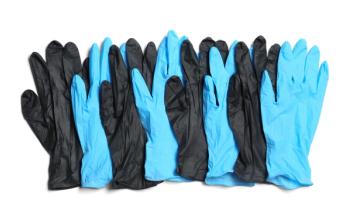
Supercritical fluid extraction (SFE) was combined with supercritical fluid chromatography (SFC) hyphenated to mass spectrometry (MS) to analyze plastic additives that could be transferred into the environment from laboratory gloves.
Here is some of the most popular content posted on LCGC International this week.