


Scientists from Chemisches und Veterinäruntersuchungsamt Münsterland-Emscher-Lippe recently tested a new method for determining PFAS in food and food contact materials.
Aaron Acevedo is the Assistant Editor for LCGC and Spectroscopy. Direct correspondence to: aacevedo@mjhlifesciences.com
Scientists from Chemisches und Veterinäruntersuchungsamt Münsterland-Emscher-Lippe recently tested a new method for determining PFAS in food and food contact materials.

The 2024 HPLC conference in Denver, Colorado will include several awards presentations including the Uwe D. Neue Award in Separation Science and the Chromatography Society Jubilee Medal.

Here are the top five articles that the editors of LCGC International published this week.
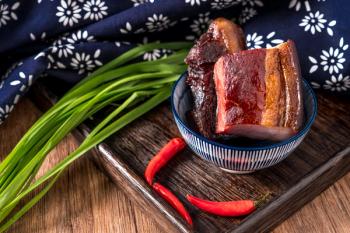
Shaanxi University of Technology scientists recently used analytical techniques including gas chromatography to identify various volatile organic compounds (VOCs) in different types of Chinese bacon.
Scientists from the University of Valencia reviewed the environmental applications of miniaturized liquid chromatography (LC) over the last 15 years.

Scientists from the Zheijiang University of Technology published a review article on the extraction of terpenoids from essential oils to determine what techniques can optimize enantiomer separation.

University of Helsinki scientists have created a new simplified method of ion mobility spectrometry.
Scientists from Naif Arab University recently used a new approach to protect amide-based synthetic cannabinoids from degradation and esterification during GC–MS analysis.
Here are the top five articles that the editors of LCGC International published this week.
Scientists from the University of Geneva in Geneva, Switzerland and AstraZeneca in Mölndal analyzed how HILIC is related to the connections between oligonucleotide structures and diastereomer separation.

The editors of LCGC International highlight open roles for scientists in pharmaceuticals, instrument manufacturing, and more.

University of Tübingen scientists recently tested a new approach to hydrophilic-interaction chromatography (HILIC) to address retention time repeatability issues.

Scientists from the National Veterinary Research Institute used UHPLC-MS/MS as part of a new antimicrobial detection method in edible pig tissue.

Scientists from the Universidade Federal do Paraná recently tested a new extraction device for determining carcinogenic aromatic amines in smoker urine.
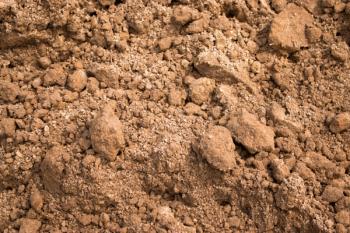
ICAR scientists developed a new LC–MS/MS method for detecting trace amounts of toxic substances in sandy loam soil.
Scientists from Roche Diagnostics in Germany are testing a new liquid chromatography (LC)-based approach for advancing process analytical technology (PAT) in biopharmaceutical processing.
Here are the top five articles that the editors of LCGC International published this week.

Scientists from the University of Isfahan in Iran recently developed a new system for detecting and quantifying B vitamins in human samples.

Scientists from the Chinese Academy of Agricultural Sciences in Beijing, China recently developed a new method for detecting antihistamines in milk samples.

Scientists from Hebei Medical University developed a sensitive liquid chromatography-tandem mass spectrometry (LC–MS/MS) method for analyzing free fatty acids in human serum.
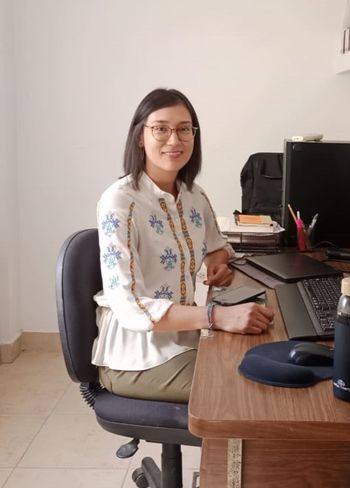
LCGC International sat down with Susana Palma of CIAD to discuss her career and work with the Females in Mass Spectrometry (FeMS) group.
Here are the top five articles that the editors of LCGC International published this week.

Scientists are looking into using nitrogen as a substitute for helium in detecting persistent organic pollutants (POPs) in gas chromatography (GC).

LCGC International sat down with Colleen Maxwell of the University of Leicester to discuss her career and work with the Females in Mass Spectrometry (FeMS) group.

Scientists recently analyzed the chromatographic profiles of postmortem bacterial species and their volatile organic compounds (VOCs) using comprehensive two-dimensional gas chromatography (GCxGC).

Scientists from the University of Edinburgh evaluated different polishing chromatography elution strategies to optimize output.
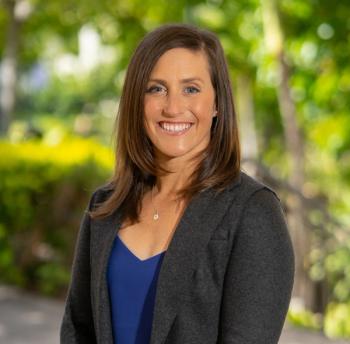
Kate Perrault Uptmor is an assistant professor at William & Mary focusing on nontargeted analysis on highly complex samples.
Here are the top five articles that the editors of LCGC International published this week.
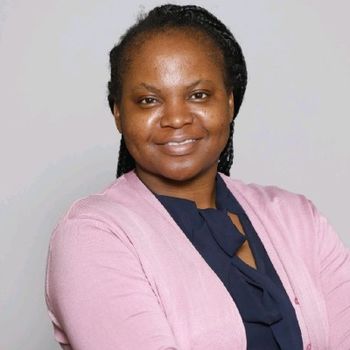
LCGC International sat down with Kemi Osho of the University of Nevada, Reno (UNR) to discuss her career and work with the Females in Mass Spectrometry (FeMS) group.

On July 11th, the American Chemical Society will hold a virtual networking session about career pathways for aspiring scientists.