


In a recent study out of Central South University in Changsha, China, scientists tested different cosine similarity algorithms to test for illegal adulterants in drugs.
Aaron Acevedo is the Assistant Editor for LCGC and Spectroscopy. Direct correspondence to: aacevedo@mjhlifesciences.com
In a recent study out of Central South University in Changsha, China, scientists tested different cosine similarity algorithms to test for illegal adulterants in drugs.

Here are the top five articles that the editors of LCGC International published this week.

In a recent study, scientists tested how effective dynorphin 1-17 peptides can be in treating chronic rhinosinusitis with nasal polyps (CRSwNP).

A recent study dissects a Chinese herbal medicine to determine why it is effective in treating polycystic ovary syndrome (PCOS).

A group of Canadian scientists recently measured how effective different solutions are in measuring ochratoxin A levels in flour samples.

Scientists from Hangzhou, China used ultra-performance liquid chromatography mass spectrometry and non-targeted metabolomics studies to help find treatments for colorectal cancer.

Bryan Troxell and other StrideBio scientists used size-exclusion chromatography with UV and multiangle light scattering (SEC-MALS) to measure changes in different viruses.

Scientists from Murcia, Spain recently created a new method for mycotoxin screening in human tissues using dispersive liquid–liquid microextraction and liquid chromatography–mass spectrometry.

Sara E. Kern and her team of the U.S. Food and Drug Administration (FDA) tested different analysis methods for rapidly screening for poppy seeds in food samples.

A group of Taiwanese scientists have recently created a new method for assessing food quality and detecting histamine in wine samples.
During a workshop at Pittcon, David Alonso of LECO Corporation discussed how gas chromatography–time-of-flight mass spectrometry (GC-TOFMS) can be used to identify polyfluorinated alkyl chemicals (PFAS) chemicals in anti-fog product solutions.

At Pittcon 2024, He Nan of AbbVie gave a lecture on how to monitor N-nitrosamines via gas chromatography–electron capture detection.
The new technology can be used by analytical scientists working in a variety of industries including food and beverage, oil and gas, and more.

In a study from Cornell University, scientists created a new means of identifying hemp plants that can exclusively create cannabidiol (CBD).

Scientists in Mexico developed a new method for detecting herbicides in agricultural soil, being based on techniques like 9-fluorenylmethyl chloroformate (FMOC-Cl) and ultra-high performance liquid chromatography-tandem mass spectrometry (UHPLC-MS/MS).

Scientists from Western Michigan University tested how amino acids can affect protein stability during electrothermal supercharging.

Scientists from Utah and Ireland recently created a liquid chromatography–mass spectrometry (LC–MS) analytical method capable of detecting phototoxins in essential oils.
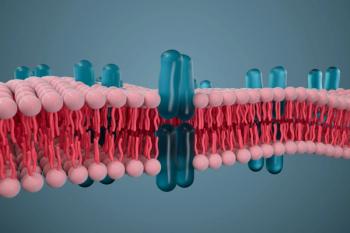
Scientists in Xi’an, China have created a novel system for the analysis of cell membranes, based around haloalkane dehalogenase protein tag (HALO)-tag technology. Their research was published in Talanta.
Scientists from the University of Calgary recently developed a novel method for externally adjusting the column length during gas chromatography (GC) operation.

Stawick has been a member of AOAC for more than 20 years and has held multiple senior management positions in biology, food science, and business administration.

Scientists from Washington and Connecticut have created a new system to detect epithelial ovarian cancer (EOC).

Scientists from Hunan University of Chinese Medicine and Zhengzhou University in Zhengzhou, China recently created a new system for extracting catecholamines (CAs) in urine samples.

To detect certain pesticides in rice, wheat, and maize, scientists recently developed a new SFC-MS/MS technique.

A group of scientists tested a new means of analyzing lipids in brain tissue using mass spectrometry imaging (MSI).

Scientists from the Huazhong University of Science and Technology have developed a new method for analyzing quinolones in urine.

Yuefei Ruan from the City University of Hong Kong discusses her team’s research on the importance of monitoring PFAS in aquatic environments.

Scientists from Fudan University in Shanghai, China created a system for reducing retention-time variations in metabolomic analysis using ultrahigh-performance liquid-chromatography coupled with mass spectrometry (UPLC-MS).

A group of scientists from Xi’an, China have created a new system for analyzing cell membranes based around HALO-tag technology.
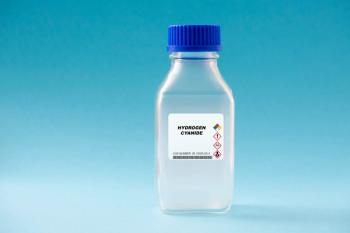
To quantify cyanide in different samples, a group of Brazilian scientists created a detection method based around headspace single-drop microextraction (HS-SDME).
Scientists from Essen, Germany recently created a method for simultaneously analyzing fatty acids (FAs) and fatty acid methyl esters (FAMEs).