


Here is some of the most popular content posted on LCGC International this week.
Aaron Acevedo is the Assistant Editor for LCGC and Spectroscopy. Direct correspondence to: aacevedo@mjhlifesciences.com
Here is some of the most popular content posted on LCGC International this week.
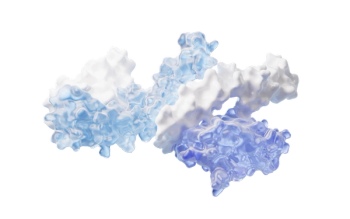
Supercritical fluid chromatography (SFC) has been optimized for the analysis of 5-, 10-, 15-, and 18-mer oligonucleotides (ONs) and evaluated for its effectiveness in separating impurities from ONs.
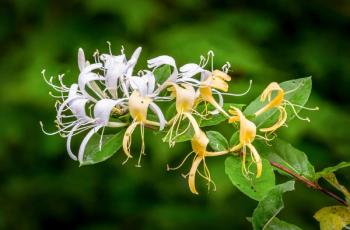
Henan University scientists recently combined capillary electrophoresis (CE) and magnetic solid-phase extraction (MSPE) to isolate flavonoid compounds from Lonicera japonica Thunb leaves.

Thermal desorption and gas chromatography-tandem mass spectrometry were used to create a method for detecting airborne polycyclic aromatic hydrocarbon (PAH) samples.

The Harvey W. Wiley Award is presented every year to a scientist, or group of scientists, who have made outstanding contributions to analytical method development in areas of interest to AOAC INTERNATIONAL.

A team of researchers has evaluated approaches in exposome research, highlighting sample preparation, MS-based platforms, and data acquisition strategies.

Researchers have produced a review of chromatography media and purification processes for handling complex and super-large biomolecules.
To honor the 2025 International Day of Women and Girls in Science, the editors of LCGC share highlights from our series done in collaboration with Females in Mass Spectrometry (FeMS) group.

ACD/Labs recently released their 2025 Structure Elucidation & Verification Report, discussing how informatics trends have shifted since 2022.
Labomatic Instruments and Knauer recently announced a new strategic cooperative relationship to offer their instrument portfolios to each other’s customer bases.

A review of recent trends and remaining challenges in bispecific antibody (bsAb) production has been published.
Here is some of the most popular content posted on LCGC International this week.
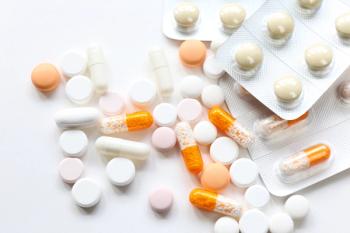
A new method has been created for determining N-nitrosamines (NAs) in pharmaceutical preparations using liquid chromatography with tandem mass spectrometry.

University of Turin scientists developed a UHPLC–PDA-MS/MS-based method for quantifying plant-specialized metabolites for determining the quality of medicinal and aromatic plants.

Paris-Saclay University scientists used hydrophilic interaction liquid chromatography (HILIC) coupled to electrospray ionization mass spectrometry (ESI-MS) and inductively coupled plasma mass spectrometry (ICP-MS) to assess thorium’s interaction with peptides.

Ion chromatography can be utilized in various ways to analyze halogens and similar substances within inorganic matrices.

New methods have been developed to determine polar emerging contaminants with hydrophilic interaction liquid chromatography (HILIC) techniques.

The new benchtop encloser can be equipped with interchangeable onboard air filtration options to protect samples from contamination or reduce user exposure to harmful chemical gases.

University College London scientists recently created a new technique for selecting two-dimensional liquid chromatography (2D-LC) columns.

Scientists from the Henan Academy of Sciences recently developed a new technique for the determination of hydroxyl polycyclic aromatic hydrocarbons (OH-PAHs) from urine.

A new process for tracking targeted and non-targeted fluorinated residuals using liquid chromatography–high-resolution mass spectrometry (LC–HRMS) has been created.

Scientists from the National Institutes for Food and Drug Control have characterized antibody-drug conjugates (ADCs) using various mass spectrometry (MS)-based techniques.

Scientists from Nanjing University recently developed a new solid-phase microextraction (SPME)-based system for detecting nitrated polycyclic aromatic hydrocarbons (nitro-PAHs) in aquatic environments.

Waters Corporation recently announced two new columns to their MaxPeak Premier Reversed-Phase Column portfolio during the conference in Washington, DC.
Here is some of the most popular content posted on LCGC International this week.

Scientists at the Indian Institute of Technology Delhi recently created a new machine learning (ML)-based tool for process verification during process chromatography unit operations.

Scientists recently studied how different factors affect antisense oligonucleotides (ASOs) under hydrophilic interaction liquid chromatography (HILIC) conditions.
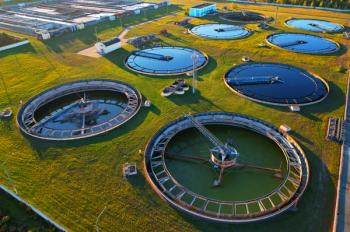
Using ultra-performance liquid chromatography-tandem mass spectrometry (UHPLC-MS/MS), China Pharmaceutical University scientists developed a new method for analyzing compounds found in wastewater.
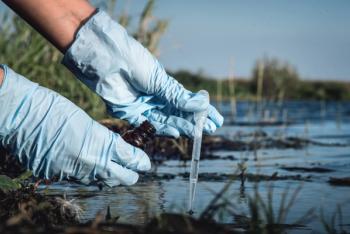
Scientists from the China University of Sciences combined magnetic solid-phase extraction (MSPE) with gas chromatography–mass spectrometry (GC–MS) to analyze perfluoro carboxylic acids (PFCAs) in different water environments.

Scientists from the Shandong Academy of Sciences recently created a new approach for performing magnetic solid-phase extraction on trace triazine herbicides.