

Pyrolysis-gas chromatography–mass spectrometry (Py-GC–MS) reveals microplastic burden linked to asthma severity in children.
Pyrolysis-gas chromatography–mass spectrometry (Py-GC–MS) reveals microplastic burden linked to asthma severity in children.

This week, Chromatography Online covered the latest chromatography and mass spectrometry research—from tracking water contaminants and algae toxins to studying hormone sampling and breast cancer metabolites—plus the newest industry product releases.
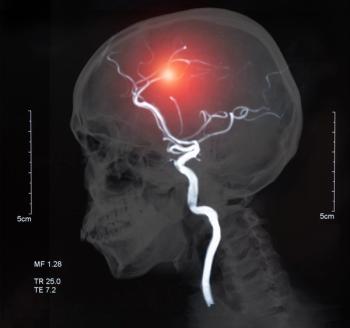
Ultra-high-performance liquid chromatography–high-resolution mass spectrometry (UHPLC-HRMS) lipidomics may help predict post-stroke cognitive decline.
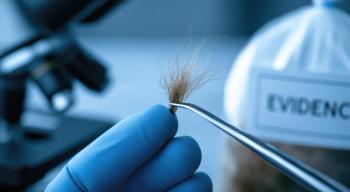
Liquid chromatography-tandem mass spectrometry (LC-MS/MS) reveals which hair-sampling method yields more reliable results.
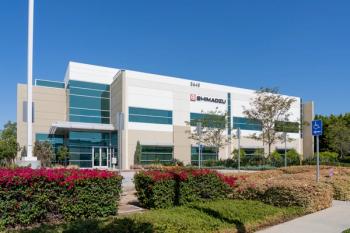
Shimadzu has launched the Nexera X4, a new high-end ultrahigh-pressure liquic chromatography (UHPLC) system designed to deliver sharper, more stable results with less solvent waste and downtime, aimed at laboratories running demanding chromatography and liquid chromatography-mass spectrometry (LC-MS) workflows.

Liquid chromatography-tandem mass spectrometry (LC-MS/MS) reveals how farming methods shape antibiotic levels in soil.

A new vacuum-assisted sorbent extraction-gas chromatography-mass spectroscopy (VASE-GC-MS) method sensitively detects personal care product residues in fish.
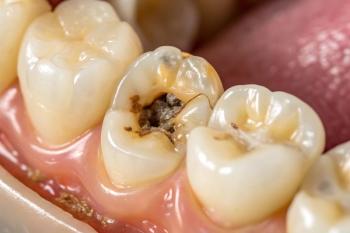
Liquid chromatography-tandem mass spectrometry (LC-MS/MS) is used to determine whether there is a link between salivary endocannabinoids and tooth decay.

Two-dimensional gas chromatography coupled with time-of-flight mass spectrometry (2D-GC-TOF-MS) links volatile compounds to flavor traits in sweet potatoes.
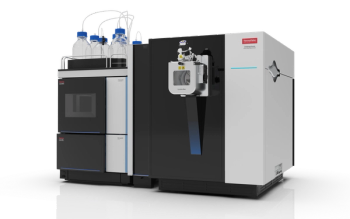
Thermo Fisher’s new Orbitrap platform brings molecular-level isotope ratio analysis within reach of more labs.
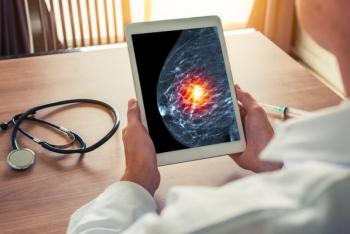
Liquid chromatography-tandem mass spectrometry (LC-MS/MS) tracks methionine cycle metabolites in luminal breast cancer.

A simple new method using ultrahigh-performance liquid chromatography-tandem mass spectrometry (UHPLC-MS/MS) quickly checks fish blood for harmful algae toxins.

Chromatography reveals most International Space Station medications retain potency in orbit.
This week’s Chromatography Online coverage highlights chromatography's expanding reach—from greener tetracycline and pesticide-residue methods to LC-MS/MS and GC-MS breakthroughs in detecting pregnancy loss markers, bladder cancer, tobacco exposure, and cardiac risk.

Chromatography-based lipidomics helps predict large-for-gestational-age risk.

Sponsored Content
Gas chromatography-mass spectrometry (GC-MS) uncovers how starving sea urchins persist in kelp barrens.ary here.
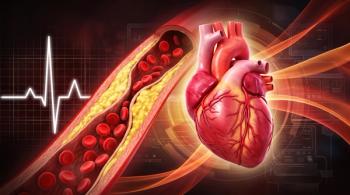
High-performance liquid chromatography-mass spectrometry (HPLC-MS) blood analysis links linoleic acid, bile acids to cardiac risk.

Gas chromatography/liquid chromatography-mass spectrometry (GC/LC-MS) methods measure pesticide residue after chlorine-radical treatment.

Chromatography meets new biosensors for cannabinoid pain-therapy tracking.

Liquid chromatography-tandem mass spectrometry (LC-MS/MS) analysis of urinary cotinine objectively assesses tobacco exposure in women.

Machine learning boosts gas chromatography-mass spectrometry (GC-MS) urine testing for bladder cancer detection.

Liquid chromatography-tandem mass spectrometry (LC-MS/MS) reveals inflammatory lipid markers in recurrent pregnancy loss.

A multinational research team developed a green, miniaturized CPME-HPLC-DAD method to simultaneously extract and detect four tetracyclines in human urine, offering a simpler, cheaper alternative to LC-MS/MS with improved sensitivity. LCGC International spoke to Fedra Vasileiou, Victoria Samanidou, and Abuzar Kabir, three of the authors of the paper that resulted from this work.

Headspace gas chromatography-mass spectrometry (GC-MS) identifies urinary ketones as potential concussion markers.

Liquid chromatography-electrospray ionization-tandem mass spectrometry (LC-ESI-MS/MS) uncovers bat metabolomic clues to blood glucose regulation.

A liquid chromatography-tandem mass spectrometry (LC-MS/MS)-based steroid score predicts heart failure outcomes post-discharge.

Gas chromatography-tandem mass spectrometry (GC-MS/MS) method finds pesticide residues in Slovenian juices and wines.

High-performance liquid chromatography with a diode array detector (HPLC-DAD) and liquid chromatography-mass spectrometry (LC-MS) flavonoid profiling classifies okra by geographic origin.

Liquid chromatography-quadrupole time-of-flight mass spectrometry (LC-QTOF-MS) identifies serum metabolites linked to age-related hearing loss.