

The values determined by van’t Hoff analysis only have practical significance if we analyze the results obtained with well-planned and systematically varied experiments.
The values determined by van’t Hoff analysis only have practical significance if we analyze the results obtained with well-planned and systematically varied experiments.

With suspect PFAS screening becoming more popular, and the list of known PFAS now in the thousands, novel analytical tools are needed to generate transferable data sets. We highlight key updates here.

When should multidimensional GC approaches be used for analyzing complex samples and analytes?

Better sample preparation and miniaturized separations are enhancing these analyses.

New sample preparation workflows for intact proteins in biological matrices are needed. We hope that others will join in this important field of research.

Advances in sample preparation have enabled analysis of RNA modifications in single cells, paving the way to discovering new insights into the functions of these molecules.

Multidimensional liquid chromatography (MDLC) methods have revolutionized the characterization of complex drug modalities like antibodies–drug conjugates, antisense oligonucleotides, and small interfering RNA therapeutics.

Two-dimensional LC, with advanced modulation techniques, can advance the analysis of advanced polymeric materials, assisting in characterizing copolymer composition heterogeneity and identifying ingredients in complex products.

Examples from food science illustrate the usefulness of chemometrics techniques like pattern recognition, regression, and classification.

HPLC is emerging as the preferred analytical method for potency testing of cannabinoids, but fundamental work is needed to solve critical issues and contribute to advancing knowledge.
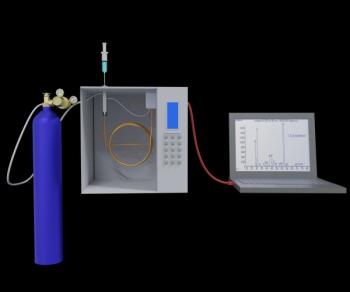
Compact instrumentation offers important advantages for many workflows, as illustrated by these examples.