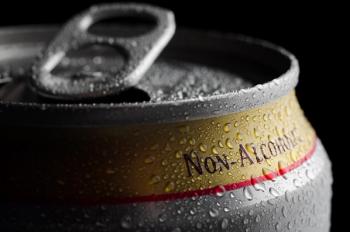
Gas chromatography (GC) tests show spoilage yeasts alter flavor and raise alcohol in NoLo beer.

In this month's "GC Connections," guest columnist Dean Rood writes about optimizing separations using combinations of two columns connected in a series. These coupled column systems produce peak separations that are a combination of separations achieved on each column individually. He describes the geographical window diagramming approach to determining the optimal combination of column lengths for several separations and column combinations and compares the results with those obtained using mixed stationary-phase chemistry.
about 27 years ago
Development of Gas Chromatography Instruments at Shimadzuabout 27 years ago
Getting Started with Database Management System Softwareabout 27 years ago
A Special Report on HPLC '99about 27 years ago
Mobile-Phase Degassing – Why, When, and How