
Click here to access the LCGC International April 2026 European PDF in an interactive format.
Click here to access the LCGC International April 2026 European PDF in an interactive format.

Dwight Stoll and Martin Gilar describe the utility of liquid chromatography coupled with mass spectrometric detection (LC–MS) for analysis of oligonucleotides (ONs), discuss recommended LC modes and mobile phases, and highlight challenges encountered in these applications, along with potential solutions.
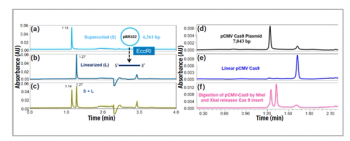
Slalom chromatography speeds mRNA QC—separating plasmid forms and spotting dsRNA impurities in minutes with higher sensitivity than gels or ELISA.
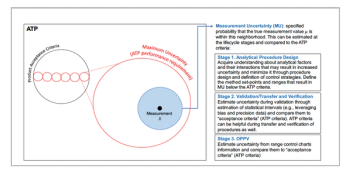
LCGC presents the first in a series of articles exploring the current analytical procedure lifecycle practices with multiple industrial and regulatory experts and consultants in the field, and addresses if this is a great opportunity to develop a greater understanding of method performance to ensure continuous improvement and regulatory flexibility, or if it is just additional challenges, complexity, and headaches.

The 55th International Symposium on High Performance Liquid Phase Separations and Related Techniques (HPLC 2026) conference will convene June 6–11, 2026, in Indianapolis, Indiana.
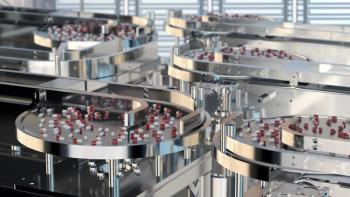
Michael Dong explains why basic drugs dominate modern therapeutics, drawing on principles of receptor binding, membrane permeability, and formulation science, and traces the evolution of silica‑based HPLC technology, from metal‑contaminated Type A silica to high‑purity Type B silica and modern hybrid or surface‑modified materials.

Ultrahigh-performance liquid chromatography coupled with high-resolution mass spectrometry (UHPLC-HRMS) was used in a research study to conduct comprehensive suspect screening across water, sediment, fish, wastewater, and sewage sludge samples from the Iberian Peninsula’s Tagus River basin, identifying 153 pharmaceutically active compounds, including cardiovascular, psychotropic, and pain management drugs between 2020 and 2022.