





Food and Beverage Analysis
Latest News
Advertisement
Latest Videos





Advertisement
More News

In this article, you’ll find some of the top content that was published on LCGC this week, including a technical article on food flavor and an interview with the president of Shimadzu Europa.

The panel concludes by envisioning the future of PFAS research and analysis.

The conversation turns to collaboration—highlighting the value of cross-sector partnerships in advancing PFAS science, securing funding, and fostering scientific progress.

In a new study, researchers used GC–MS and LC–MS were used to detect composition fraud in food supplement creation.

A new dried spot-based technique involving untargeted liquid chromatography coupled with high-resolution mass spectrometry was testing for characterizing foodstuffs.

Panelists discuss the creation and use of PFAS libraries and databases, stressing the need for comprehensive, up-to-date resources to support accurate compound identification.

Scientists examine the role of non-targeted analysis in discovering unknown PFAS, and how automation and data processing tools are accelerating this work.

Analysis of VOCs is essential to maintain product consistency by detecting whether growing, refining, and production processes have an impact on the smell and taste of the product or whether a product has been tampered with.

This article explores the technological advancements in HPLC that enhance its role in analyzing PFAS in food, including innovations in column technology, detection systems, and sample preparation techniques.
The panel examines how evolving global regulations are shaping approaches to PFAS analysis, while also highlighting how ongoing research enhances our understanding of these contaminants and informs regulatory decision-making.
In this episode the panelists unpack how laboratories can reduce background contamination and improve sensitivity through rigorous method optimization and instrument handling.
The panelists discuss the challenges of analyzing short-chain PFAS and highlights how emerging techniques like ion mobility offer promising solutions.

In this episode the panelists explore emerging analytical techniques that are enhancing PFAS quantification.

This article describes the analytical challenges of chemical exposomics in food safety. The need for high-throughput, multi-platform approaches—such as LC–HRMS and GC–HRMS with IMS—to capture the full spectrum of potential contaminants in our food supply is emphasized.

Monitoring the quality of essential oils is vital for protecting consumer health. Researchers recently combined gas chromatography and mass spectrometry approaches to gather data on mandarin essential oils.
Here is some of the most-read content posted on LCGC International this week.
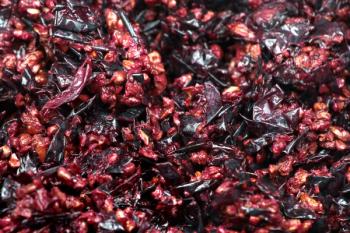
Grape pomace, a byproduct of the winery industry, holds various phenolic compounds within it. Scientists used liquid chromatography-based techniques to harvest these potentially beneficial components.

New QuEChERs-based methods were created to detect pesticide residues in commercial dry pet food.

Shea kernels contain bioactive secondary metabolites that can offer potential health benefits. Researchers aimed to learn more about these substances.

Diflubenzuron and similar compounds can be signs of cattle fever ticks, which can cause morbidity in cattle. LC–MS/MS was recently tested as a means of detecting these disease-carrying insects.

Dimethylamine (DMA) is the smallest organic amine, typically being found in both humans and marine ecosystems. Dimitrios Tiskas of Hannover Medical School recently analyzed the nature and significance of DMA and other amines.
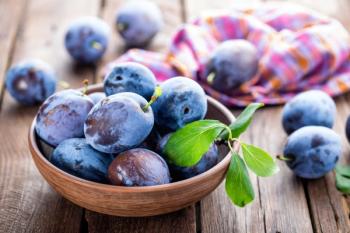
Chinese researchers created a new approach for identifying and quantifying illegal additives in fruit and vegetable plums, types of often-consumed health-care foods.

Flavonoids are widely used metabolites that carry out various functions in different industries, such as food and cosmetics. Detecting, separating, and quantifying them in fruit species can be a complicated process.
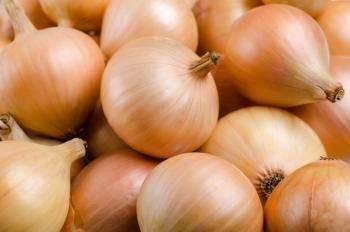
A multidimensional liquid chromatography (LC)-based technique was created to help profile antioxidant metabolites in onion leaf extracts.

U.S. Department of Agriculture researchers used QuEChERSER-based methods to analyze chemical contaminants in foodstuffs in a new study published in the Journal of Chromatography A.
Advertisement
Advertisement