


Food and Beverage Analysis
Latest News
Advertisement
Latest Videos





Advertisement
More News

Here is some of the most popular content posted on LCGC International this week.

Webcasts
Webinar Date/Time: Wed, Mar 19, 2025 11:00 AM EDT
Here is some of the most popular content posted on LCGC International this week.

Henan University scientists recently combined capillary electrophoresis (CE) and magnetic solid-phase extraction (MSPE) to isolate flavonoid compounds from Lonicera japonica Thunb leaves.

The Harvey W. Wiley Award is presented every year to a scientist, or group of scientists, who have made outstanding contributions to analytical method development in areas of interest to AOAC INTERNATIONAL.

Webcasts
Webinar Date/Time: Tuesday, March 25th, and Wednesday, March 26th, 2025 Morning Session: 9:30 am EDT | 6:30 am PDT | 1:30 pm GMT | 2:30 pm CET Afternoon Session: 11:30 am EDT | 8:30 am PDT | 3:30 pm GMT | 4:30 pm CET

A QuEChERS sample preparation technique coupled with a UHPLC–MS/MS method was developed to determine 19 veterinary drug residues in foods of animal origin.

To honor the 2025 International Day of Women and Girls in Science, the editors of LCGC share highlights from our series done in collaboration with Females in Mass Spectrometry (FeMS) group.
Here is some of the most popular content posted on LCGC International this week.
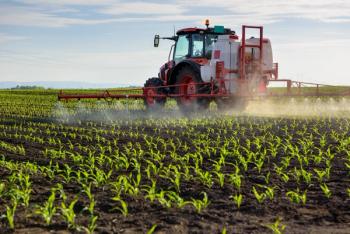
A European Union reference laboratory recently created a new method for analyzing gas chromatography (GC)-amenable pesticides in foods of animal origin.

At the Recent Advances in Food Analysis (RAFA) conference in 2024, LCGC International sat down with Stefan van Leuwen of Wageningen Food Safety Research to discuss his research, which addresses emerging challenges in circular food production, focusing on the risks posed by pollutants when waste and by-products are repurposed in food systems.

Throughout 2024, the editors of LCGC International attended chromatography conferences across the globe. Below, you’ll find a sampling and overview of our conference coverage from the year.
This article highlights a curated selection of the most popular GC-related content, with a focus on the diverse applications of the technique, as featured in LCGC.

A compilation of Q&A interviews on food analysis is presented here.
As part of our “From Lab to Table: How Chromatography is Shaping Food Analysis” content series, we present a compilation of highlights from the Recent Advances in Food Analysis (RAFA) conference.

LCGC International sat down with Jose Bernal to discuss his latest research in using pyrolysis gas chromatography–mass spectrometry (Py-GC–MS) and other chromatographic techniques in studying microplastics in food analysis.

LCGC International sat down with Giorgia Purcaro of the University of Liege to discuss the impact that solid-phase microextraction (SPME) and comprehensive multidimensional gas chromatography (GC×GC) is having on food analysis.
Here is some of the most popular content posted on LCGC International this week.

LCGC International spoke to Silvia Valverde and Ana María Ares of this group about their research and the resulting article.
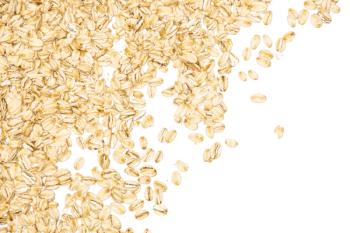
In the testing of six different oat brands, headspace sorptive extraction and comprehensive two-dimensional gas chromatography time-of-flight mass spectrometry (GC×GC–TOF-MS) reveal how various packaging types can affect and alter the oats’ volatile profile, underscoring the potential impact of packaging on food quality.

As part of our RAFA 2024 coverage, we interviewed Rudolf Krska of BOKU University about his research on food safety, specifically regarding using analytical methods to mycotoxins and other secondary metabolites in plants and foods.

During RAFA 2024, Michel Suman of Barilla Spa and Catholic University Sacred Heart talked with us about his food safety and authenticity research, focusing on contaminants, adulterants, and authenticity markers in food processing.
Here is some of the most popular content posted on LCGC International this week.

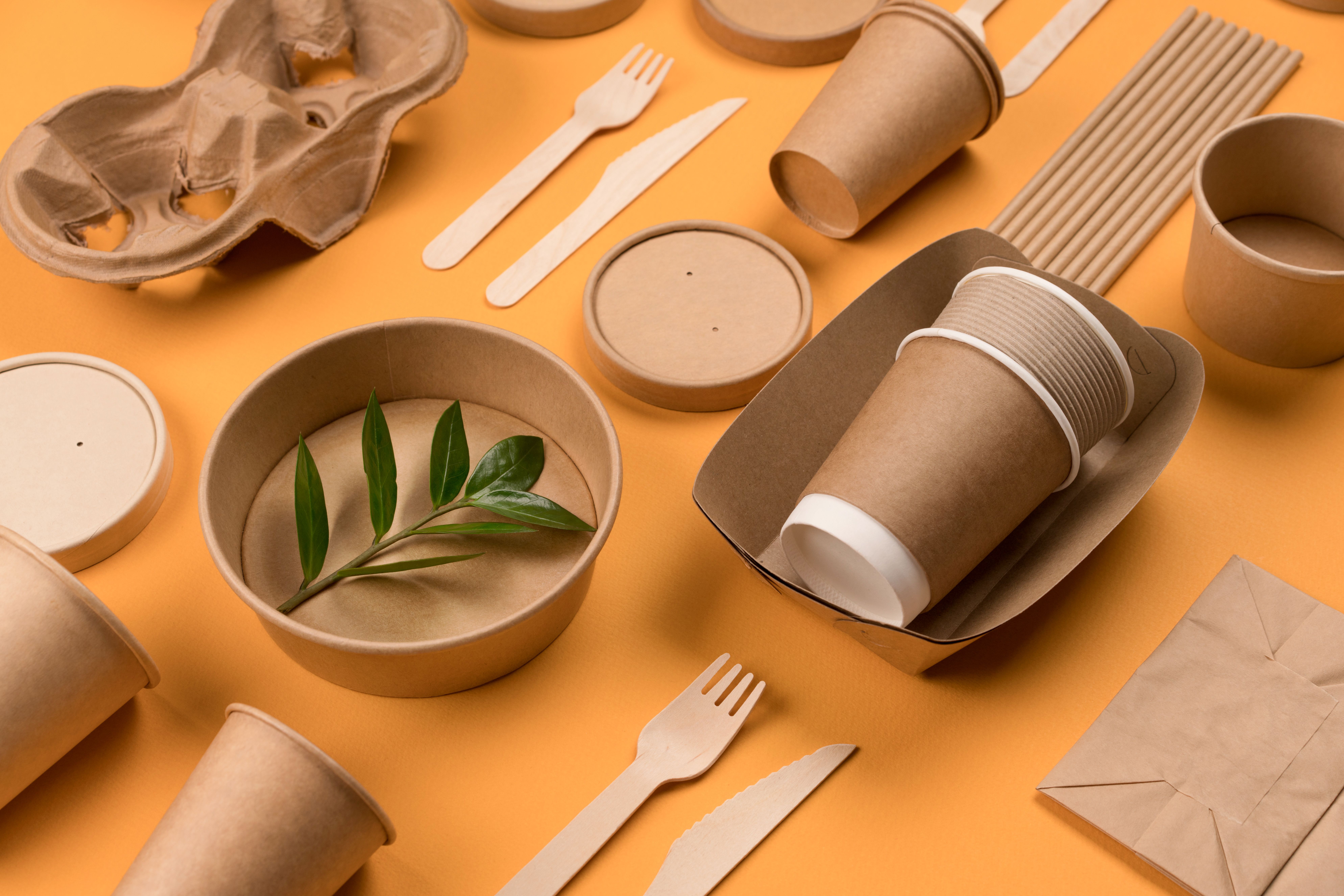
Elena Canellas and Paula Vera recently spoke with us about the dangers that come with using paper straws, and what potential substitutes could be.

Webcasts
Webinar Dates/Times: Friday, December 13, 2024 Morning Session: 12:30 pm GMT | 1:30 pm CET | 7:30 am EST Afternoon Session: 2:30 pm GMT | 3:30 pm CET | 9:30 am EST
Advertisement
Advertisement