


Researchers from Italy, Spain, and Turkey employed online high performance liquid chromatography (HPLC) to analyze various extracts of Leonurus cardiaca, revealing potent antioxidant properties and promising antibiofilm activity.
Researchers from Italy, Spain, and Turkey employed online high performance liquid chromatography (HPLC) to analyze various extracts of Leonurus cardiaca, revealing potent antioxidant properties and promising antibiofilm activity.

Technological limitations have made it difficult for scientists to identify oligonucleotide aggregates. This can pose challenges when finding techniques to reliably analyze size variants for large nucleic acids and lipid nanoparticles (LNPs).

This experiment introduced a deep eutectic solvent developed in conjunction with a pH-induced phase transition combined with high performance liquid chromatography (HPLC) for efficient trace determination of bisphenol A (BPA) in water samples.

The International School on Mass Spectrometry (IntSMS) returns in 2024, and it will take place on September 9–14th at the Ettore Majorana Foundation and Centre for Scientific Culture (EMFCSC) in Erice, Italy.

A recent study explored using gas chromatography (GC) to assess relative response factors in quality control measures for alcoholic beverages.

The research conducted by Jing Dong and team unveils a pioneering approach that not only unravels the complexities of Valeriana jatamansi, but also showcases the potential of advanced analytical techniques in comprehensively studying natural compounds.
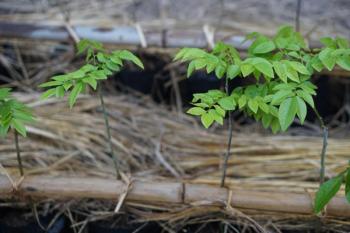
Researchers from the Chinese Academy of Medical Sciences and Peking Union Medical College categorize the cardioprotective effects and other characteristics of flavonoids from the species commonly known as Chinese rosewood.

A recent lipidomic study explored how 3-methyl-1-p-tolytriazene (MTT) can be an alternative solution when conducting quantitative phospholipid (PL) methylation.

This research introduces a novel chromatographic method for the simultaneous determination of bisoprolol fumarate, carvedilol, and furosemide in both their pure and pharmaceutical dosage forms, offering a cost-effective, time-saving solution for routine drug quality control analysis.

Metabolite characterization can be complex. In this study, researchers at Yeungnam University used feature-based molecular networking (FBMN) to further understand glutathione (GSH) adducts.

In a recent study out of the University of Gdańsk, immobilized artificial membrane chromatography (IAM) was tested for its ability to evaluate small molecular behavior in the human body.

Researchers from Europe conducted the first known interlaboratory study on inverse gas chromatography (IGC), revealing significant variations in dispersive surface energy values and retention volumes for standard materials.
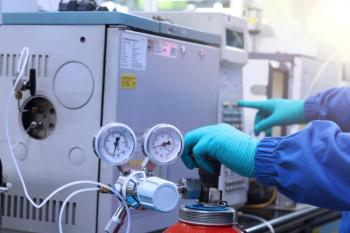
This annual award is presented to an outstanding scientist in the field of chromatography.

In a recent study published in Analytica Chimica Acta, lead author Bin Hu from Wuhan University and a team of researchers examined three-dimensional (3D) printing technology.

The International Symposium on Chromatography (ISC) will be held in Liverpool, United Kingdom, from October 6–10, 2024, at the ACC Liverpool along the banks of the city’s world heritage waterfront.

The 18th International Symposium on Hyphenated Techniques in Chromatography and Separation Technology (HTC-18) will be held from 28–31 May 2024 in Leuven, Belgium.

A recent study published in the Journal of Separation Science reveals how ultrahigh-performance liquid chromatography tandem mass spectrometry (UHPLC–MS/MS) could be used to detect and quantify purine metabolites.

A new study details the US Food and Drug Administration (FDA)’s recent expansion to 30 analytes, from a previous 16, in the method for determining per- and polyfluoroalkyl substances (PFAS) in the US food supply, which, in turn, may mean that additional analytes may still yet be identified (1).

California State University, Los Angeles (Cal State LA) (Los Angeles, USA) and Leco Corporation (St. Joseph, Michigan, USA) have unveiled the collaborative Leco Complex Chemical Compositional Analysis Lab at Cal State LA’s Rosser Hall.

Here, we preview the International Symposium on Hyphenated Techniques in Chromatography and Separation Technology (HTC-18), which will be held from May 28–31st 2024 in Leuven, Belgium.

A novel study conducted at Nicolaus Copernicus University in Poland explores the potential of diatom-derived biosilica as a stationary phase in high-performance liquid chromatography (HPLC).

A recently published study explores and potential and limitations of reversed hydrophilic interaction liquid chromatography.
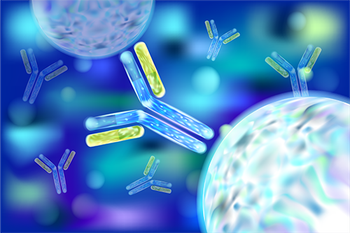
Researchers explore the benefits of a mobile affinity selection chromatography (MASC) luminon assay method to assess the quality of therapeutic monoclonal antibodies.

In a recent study conducted by two researchers from the CSIR-Indian Institute of Toxicology Research and the Academy of Scientific and Innovative Research, an analytical method was used to reveal coccidiostat residues in poultry.

A recent study conducted in Beijing, China, presented a novel method involving LC–MS/MS, UAE, and online SPE for characterizing environmental pollutants.
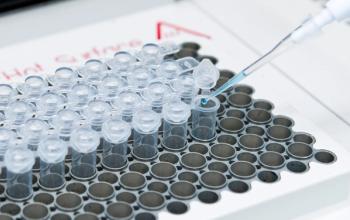
Microfluidic capillary electrophoresis mass spectrometry (CE-MS) using ZipChip technology provides intact mass evaluations and efficient separation of oligonucleotides.

In 2024, LCGC and Spectroscopy will release a joint content series titled, "Advancing Agriculture For Future Generations." Here is a preview of the upcoming series.

This study employed an integrated method of homogenization-ultrasound-assisted extraction followed by high-speed countercurrent chromatography for efficient separation of naphthoquinones and diarylheptanes from green walnut husks.

Gionfriddo’s lab focuses on developing advanced analytical separation tools for the analysis of complex biological and environmental samples using green extraction methodologies.

The Prestegard laboratory specializes in the development and application of NMR methods for the study of systems of biological interest.