



Special Issues
The different aspects of food metabolomics are described using tomato taste as an example.
Special Issues
The different aspects of food metabolomics are described using tomato taste as an example.

The Column
Flavour analysis of a Bloody Mary has provided some key insights into the best ways to mix the drink. The challenges and findings of cocktail?s analysis were presented at the 241st National Meeting & Exposition of the American Chemical Society.

Actinomycetes in soil produce various antifungal compounds that may protect crops from anthracnose disease.

The Column
Little is known about the role of selective attention in odour discrimination, which is why a group from Japan has assessed whether mice can discriminate between different liquors, just like a wine expert.

LCGC North America
A high performance liquid chromatography (HPLC)–UV method was developed for the analysis of phenylurea herbicides and applied successfully to the analysis of herbicides spiked in three soft drink brands and tap water.
Slides to accompany the vidcast interview from Pittcon 2011 with Luigi Mondello, Professor, Analytical Chemistry, School of Pharmacy, University of Messina
E-Separation Solutions
Slides to accompany the vidcast interview from Pittcon 2011 with Luigi Mondello, Professor, Analytical Chemistry, School of Pharmacy, University of Messina

The Column
Scientists from chocolate company Hershey, in collaboration with other laboratories, have reported improved methods for determining the amounts of flavanol antioxidants in cocoa and chocolate. Flavanol antioxidants promote a healthy cardiovascular system by deactivating free radicals and helping to reduce blood pressure.

Luigi Mondello, University of Messina

The Column
In the wake of the recent dioxin poisoning scare in Europe that sparked import bans on some German farm products, GC-MS is emerging as the perfect analytical tool for forensic analysis.
LCGC Asia Pacific
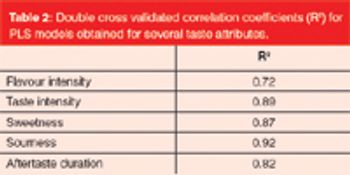
This article describes important aspects of food metabolomics using tomato paste as an example of this approach in practice.
The Application Notebook
Shimadzu Application Note
The Application Notebook
Thermo Fisher Scientific Application Note
The Application Notebook
Dionex Application note
The Application Notebook
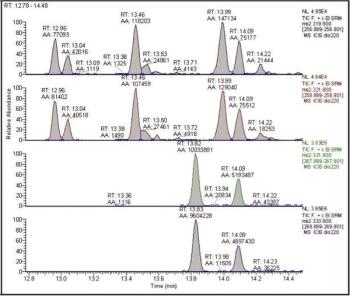
The method described employs a triple quadrupole mass spectrometer equipped with hyperbolic quadrupole rods for increased selectivity to prerform a trace level screening method for PCDD/Fs and PCBs and follows the well-established United States Environmental Protection Agency (US EPA) Method 1613A.
The Application Notebook
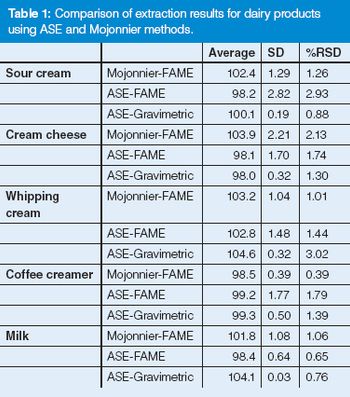
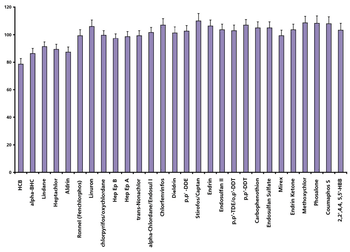
AGPC column and organic solvents are used to selectively pass large macro molecules such as lipids, resins, waxes, and other compounds from sample extracts while retaining the smaller target analyte molecules in the pores of the gel.
The Application Notebook
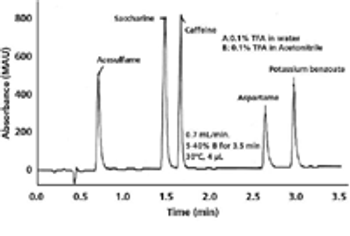
Sweeteners are low or zero-calorie sugar substitutes that are added in drinks to provide the sweet taste of sucrose or table sugar.
In response to the recent discovery of dangerous levels of dioxins in animal feed produced in Germany, Phenomenex has announced its publication of a method for analysing the chemicals using high-resolution gas chromatography with mass spectrometric detection.

The Column
The Detection and Quantification of Multi-mycotoxins in Beer Samples using Orbitrap Technology with UHPLC.
LCGC Europe
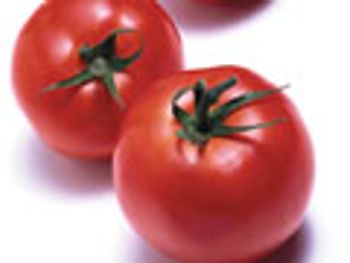
It is expected that new developments in analytical chemistry will increase the value of food metabolomics in the future.
The European Union has published new regulations regarding the approved testing methods for detecting marine biotoxins in bivalve molluscs, including oysters and mussels.
The Column
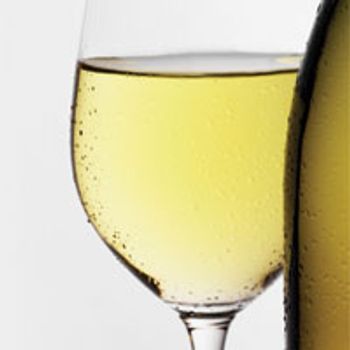
If you are suffering from headaches after a night of wine drinking there is a chance it may be more than the usual hangover. A study published in the Journal of Proteome Research has identified similarities between grape glycoproteins and known plant allergens.
Thermo Fisher Scientific?s Global Food Safety Response Centre in Dreieich, Germany has announced that it is monitoring the dioxin crisis in Germany where animal feed additives may have been tainted with industrial fats containing the toxic chemical.

E-Separation Solutions
Participants in this Tech Forum are Arthur Sims and Brent Lefebvre of AB SCIEX, Jennifer Singh of EMD Millipore, Gerry Broski of Thermo Fisher Scientific, and Paul B. Young of Waters Corp.

The Column
The United States Food and Drug Administration in Irvine, California, USA has purchased the Dionex ICS-5000 ion chromatography system with mass spectrometer for the analysis of biogenic amines in fish samples.