



In a recent study out of Central South University in Changsha, China, scientists tested different cosine similarity algorithms to test for illegal adulterants in drugs.
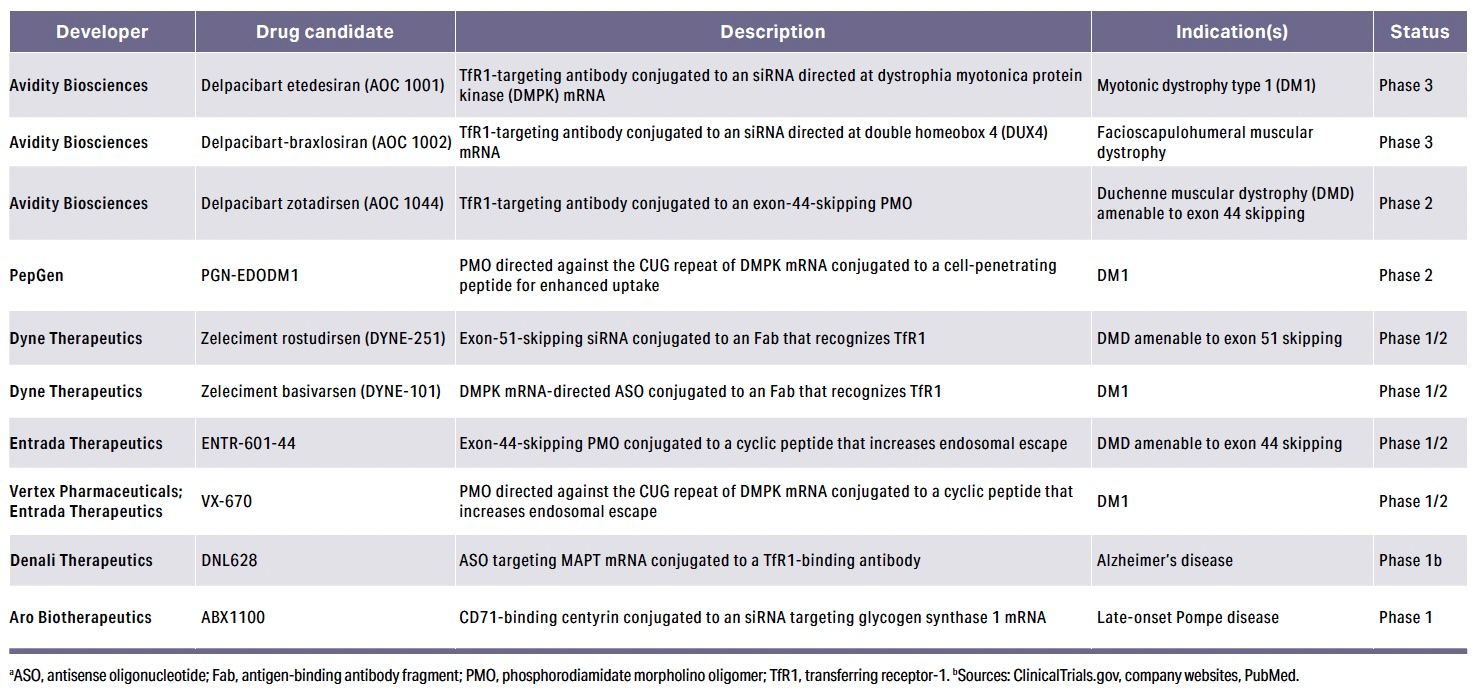
Antibody–oligonucleotide conjugates (AOCs) represent a promising new biotherapeutic modality that combines the cell‑targeting specificity of antibodies with the gene‑modulating power of oligonucleotides. Designed to overcome long‑standing delivery barriers in nucleic acid therapeutics, AOCs enable targeted delivery beyond the liver to tissues such as skeletal muscle, heart, and the central nervous system. Their unique dual therapeutic behavior and large oligonucleotide payload introduce analytical challenges distinct from antibody‑drug conjugates (ADCs), requiring approaches such as size-exclusion chromatography–mass spectrometry (SEC–MS) and ion‑exchange methods. As analytical science advances, AOCs are poised to expand therapeutic possibilities and drive innovation in precision and personalized medicine.
In a recent study out of Central South University in Changsha, China, scientists tested different cosine similarity algorithms to test for illegal adulterants in drugs.

Here are the top five articles that the editors of LCGC International published this week.

In a recent study, scientists tested how effective dynorphin 1-17 peptides can be in treating chronic rhinosinusitis with nasal polyps (CRSwNP).

A recent study dissects a Chinese herbal medicine to determine why it is effective in treating polycystic ovary syndrome (PCOS).

Scientists from Hangzhou, China used ultra-performance liquid chromatography mass spectrometry and non-targeted metabolomics studies to help find treatments for colorectal cancer.

Bryan Troxell and other StrideBio scientists used size-exclusion chromatography with UV and multiangle light scattering (SEC-MALS) to measure changes in different viruses.
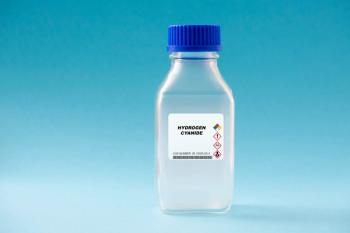
To quantify cyanide in different samples, a group of Brazilian scientists created a detection method based around headspace single-drop microextraction (HS-SDME).
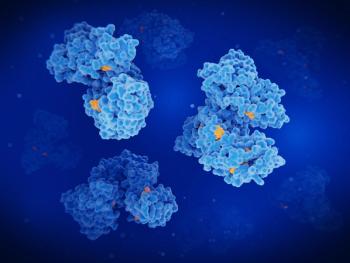
Scientists from Essen, Germany recently created a method for simultaneously analyzing fatty acids (FAs) and fatty acid methyl esters (FAMEs).

A recent study published in the Journal of Separation Science reveals how ultrahigh-performance liquid chromatography tandem mass spectrometry (UHPLC–MS/MS) could be used to detect and quantify purine metabolites.
This article provides a high-level overview of Current Good Manufacturing Practice (cGMP) regulations and related public quality standards.

Scientists from South Dakota State University and the University of Colorado School of Medicine created a system to detect traces of cyanide in blood samples using liquid chromatography–tandem mass spectrometry (LC–MS/MS).

Scientists recently used laser desorption ionization mass spectrometry (LDI-MS) to detect toxic alkaloids in traditional Chinese medicines (TCM).
A group of scientists recently analyzed the metabolomics of individual cells using a pneumatically assisted (PA) nanospray desorption electrospray ionization (nano-DESI) probe of their own creation.

Two scientists from Baskent University in Ankara, Turkey analyzed multiple proteins in cream formulation using reverse-phase high-performance liquid chromatography.

Scientists from Qilu University of Technology in Jinan, China recently separated and purified components within the Phellodendron chinense plant using different types of counter-current chromatography (CCC).

In this LCGC Blog, Muhammad Farooq shares some tips for entering different careers within the analytical chemistry industry.

A group of scientists from the Luxembourg Institute of Science and Technology (LIST) tested different methods of using matrix-assisted laser desorption/ionization (MALDI) mass spectrometry imaging (MSI) to analyze human skin cells.

Scientists from Egypt have developed a green reversed-phase high-performance liquid chromatography (RP-HPLC) method to determine the amounts of methionine and paracetamol in different mixtures.

To combat fraudulent sales of low-aged ginseng disguised as high-aged ginseng, scientists from Shanghai University of Traditional Chinese Medicine created machine learning models to predict the ages of ginseng samples.

To better understand the purity of therapeutic peptides, scientists from Germany, studied the effects supercritical fluid chromatography (SFC) could have during the analysis.

A team of scientists from Taizhou, China have developed a means of studying the medical effects of Qiangxin Lishui Prescription (QLP).

On 1 October 2023, Alexandra Knauer was awarded the Order of Merit of the State of Berlin by Governing Mayor Kai Wegner.

Scientists from the University of Maryland have created a system to analyze changes in a brain’s chief circadian pacemaker.
At this year’s AOAC International Annual Meeting, held in New Orleans, Louisiana, nearly 700 analytical scientists were honored in an awards ceremony.

The methodologies demonstrated here open the way to fully compliant at-line monitoring of monoclonal antibody quality attributes.