

Researchers used high-performance liquid chromatography (HPLC) to identify how 19 breast milk sugars shape healthy gut bacteria in 500 infants, discovering age-specific impacts that persist even after breastfeeding ends.
Researchers used high-performance liquid chromatography (HPLC) to identify how 19 breast milk sugars shape healthy gut bacteria in 500 infants, discovering age-specific impacts that persist even after breastfeeding ends.

Ultra-performance liquid chromatography–high-resolution mass spectrometry (UPLC-HRMS) was used to profile metabolomic changes during papain- and bromelain-mediated hydrolysis of gourami fish proteins. Distinct time- and enzyme-dependent profiles revealed differences in proteolysis and metabolite release, highlighting strategies to optimize bioactive peptide production and enhance the nutritional functionality of fish-derived food products.

Researchers used gas chromatography-mass spectrometry (GC-MS) and chemometric analysis to identify 54 metabolites in commercial lavender oils, identifying quality markers like linalool and detecting potential adulteration with synthetic additives.

Small extracellular vesicles (EVs) from pericardial fluid (PF) of patients with and without CAD alter the lipid profile of human coronary artery endothelial cells. Using untargeted liquid chromatography–mass spectrometry (LC-MS), 1043 lipid species were identified, with changes in glycerophospholipids, glycerolipids, and sphingolipids. These results suggest PF EVs can influence endothelial lipid metabolism and may impact coronary artery function.

Researchers utilized advanced chromatography techniques to reveal that disrupted metabolic pathways and oxidative stress cause flavor deterioration and unpleasant off-taste in wooden breast chicken meat.

Researchers used liquid chromatography-high resolution mass spectrometry (LC-HRMS) to identify blood metabolites linked to teen mental health, offering a potential objective tool for early risk detection and preventive care.

ChromatographyOnline.com marked Earth Day with environment-focused content and expert interviews while also highlighting advances in chromatography, including sustainable methods, GC×GC–MS for complex materials, and managing HRMS data complexity.

Researchers developed a solid phase extraction liquid chromatography-electrospray ionization-tandem mass spectrometry (LC-ESI-MS/MS) method enabling sensitive chromatographic separation and quantification of eight steroid hormones in ≤50 mg whale blubber. The approach achieved low detection limits, reliable measurements across species, and supports conservation by assessing stress, metabolism, and reproductive status from minimal sample material.
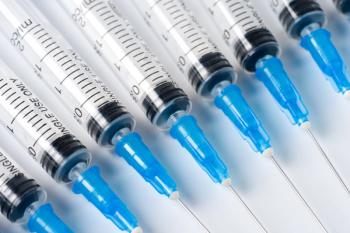
Liquid chromatography–mass spectrometry (LC-MS) was used to evaluate the stability of ethanol-free buprenorphine formulations in compounded oral syringes over 60 days. Chromatographic analysis showed no degradation products and consistent drug concentrations, supporting formulation stability and safety while highlighting the role of LC–MS in pediatric pharmaceutical quality assessment.

Researchers used high-performance liquid chromatography-tandem mass spectrometry (HPLC-MS/MS) to demonstrate that atmospheric cold plasma (ACP) effectively removes up to 82.5% of toxic fenvalerate residues from shiitake mushrooms. The study identified degradation pathways like hydroxylation and ester bond cleavage. ACP offers a promising, non-thermal solution to enhance food safety and preserve mushroom quality during storage.

Researchers developed an advanced gas chromatography approach that allows direct analysis of recycled plastics with minimal preparation. This method uses thermal desorption to efficiently detect volatile contaminants, making it faster and more practical for routine quality control.

High-performance liquid chromatography (HPLC) was utilized by researchers to measure plasma hydrogen sulfide (H₂S) in patients with schizophrenia. The study revealed that after antipsychotic treatment, elevated H₂S levels—accurately determined via HPLC—correlated significantly with improved memory, highlighting H₂S signaling as a key factor in understanding cognitive impairment.

Researchers used tandem mass tagged quantitative liquid chromatography tandem mass spectrometry (TMT-LC-MS/MS) to analyze plasma from exposed loggerhead and Kemp's ridley turtles, identifying altered immune proteins as biomarkers for brevetoxicosis, aiding diagnosis amid intensifying blooms.

LCGC's "Earth Day" coverage examines a advanced mass spectrometry method to accurately measure PFAS and trace pharmaceuticals in wastewater.

Our "Earth Day" coverage continues with a look at how LC-HR-MS/MS can track how human-made chemical pollution is harming ocean ecosystems.

Our "Earth Day" coverage examines a study using fluorinated ionic liquid stationary phases to analyze forever chemicals.
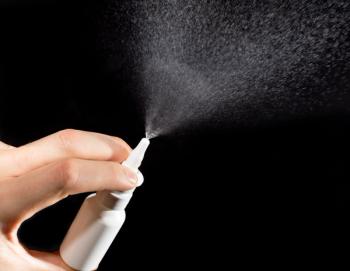
Drug testing of non-biological samples revealed a new nitazene opioid, N-pyrrolidino fluetonitazene, in a nasal spray. Researchers used gas chromatography-mass spectrometry (GC-MS) and liquid chromatography-quadrupole time-of-flight mass spectrometry (LC-QTOF-MS) alongside other methods to confirm its identity. The finding highlights evolving drug trends, serious health risks, and the need for up-to-date analytical techniques despite limited sample size.

Liquid chromatography–mass spectrometry (LC-MS) enabled comprehensive profiling of metabolites produced by cucumber glandular trichomes across developmental stages. Analysis identified 744 compounds, dominated by flavonoids, and revealed ecotype-specific variations. Chromatographic insights into trichome secretions link metabolite composition to fruit bloom formation and support future crop improvement and natural product applications.

Ion chromatography and 16S rRNA sequencing were applied to evaluate seasonal nutrient removal and microbial dynamics in an A2O wastewater treatment plant. Results showed temperature-dependent nitrifier reductions impacting efficiency, while downstream monitoring revealed transient microbial influence on river systems, highlighting chromatography’s role in linking nutrient chemistry with ecological outcomes.

A research study recently introduced a streamlined, chromatography-compatible workflow for the rapid analysis of RNA modifications by integrating solid-phase enzymatic digestion with downstream liquid chromatography–mass spectrometry (LC–MS). LCGC International spoke to Yixuan (Axe) Xie, an assistant professor at Fudan University (Shanghai, China) and one of the authors of a paper resulting from this study.

Researchers explored the potential of Prunus laurocerasus (cherry laurel) and Prunus cerasifera (cherry plum) fruit pits as natural food additives. Liquid chromatography-tandem mass spectrometry (LC-MS/MS) revealed that the extracts were found safe for healthy cells, selectively targeted certain cancer cells, and showed strong antioxidant and enzyme-inhibiting activities, including anti-browning effects. These findings highlight the pits’ promise as sustainable, functional food ingredients.
This week on ChromatographyOnline.com, we highlight sustainable sample preparation alongside the transformative impact of AI and machine learning in chemical analysis, and explore advanced methodologies like ion mobility-HRMS and HPLC for tackling complex real-world challenges.

A study identified invasive Burmese pythons as effective biological sentinels for monitoring chemical pollution in the Florida Everglades. Researchers analyzed liver samples from 67 pythons using high-performance liquid chromatography-tandem mass spectrometry (HPLC-MS/MS) to track 30 per- and polyfluoroalkyl substances (PFAS).

German researchers used gas chromatography-mass spectrometry (GC–MS) and liquid chromatography-mass spectrometry (LC–MS) to analyze urinary and plasma steroid hormones in a female athlete, revealing cycle-dependent fluctuations in androgen levels during a natural menstrual cycle, with peaks around ovulation and declines in the luteal phase. In contrast, hormonal contraceptive use suppressed androgen variability, demonstrating the value of chromatographic techniques for sensitive monitoring of endocrine changes relevant to athletic performance and physiology.

To investigate how permanent chemical hair straightening influences the accuracy of hair drug testing using liquid chromatography–tandem mass spectrometry (LC-MS/MS), researchers analyzed hair samples before and after treatment with an alkaline straightener (ammonium thioglycolate), measuring levels of the endogenous compound gamma-hydroxybutyrate and the drug alprazolam. The study emphasizes the need for careful interpretation of LC-MS/MS hair analysis results and systematic documentation of cosmetic treatments in forensic and toxicological investigations, particularly when detecting low-level substances.

A mass balance and pharmacokinetic study of fezolinetant in healthy postmenopausal women employed high-performance liquid chromatography (HPLC) with radioactivity detection alongside liquid chromatography–tandem mass spectrometry (LC–MS/MS) to enable detailed metabolite profiling and structural elucidation. Overall, chromatographic techniques were central to quantifying drug disposition, identifying metabolic routes, and supporting the clinical development of this non-hormonal therapy for vasomotor symptoms.

To address the need for objective and non-invasive methods to measure workplace stress, a recent study evaluated metabolite profiling of mouth-rinsed water. Researchers using capillary electrophoresis-mass spectrometry (CE-MS) and liquid chromatography-mass spectrometry (LC-MS) analyzed 559 analytes from 32 participants categorized into high-stress and control groups.

Controlling the "heat" or pungency levels in chili peppers (Capsicum annuum) is a major challenge for breeders due to complex genetic inheritance. To address this, researchers are using high-performance liquid chromatography (HPLC) to precisely quantify capsaicin and dihydrocapsaicin levels. By combining these accurate chemical measurements with genomic prediction (GP) models, scientists can now better predict the spice levels of offspring based on parental data.

Gas chromatography-mass spectrometry (GC–MS), liquid chromatography-mass spectrometry (LC–MS), and inductively coupled plasma (ICP)-based techniques were applied to characterize extractables and potential leachables from polyurethane-insulated deep brain stimulation probes, comparing polyether urethane (PEU) and polycarbonate urethane (PCU) after prolonged exposure to a brain phantom.

Researchers used high-performance liquid chromatography–mass spectrometry (HPLC–MS) to perform targeted metabolomic analysis of urine samples from children with autism spectrum disorder (ASD) and healthy controls. By focusing on metabolites associated with the microbiota–gut–brain axis, researchers identified distinct biochemical patterns that differentiate ASD from typical development. The chromatography-based approach enabled precise and reliable measurement of seven key metabolites, highlighting its value over broader, non-targeted methods.