

Gas chromatography–mass spectrometry (GC–MS) identifies 27 sugar compounds across sweet corn kernel development.
Gas chromatography–mass spectrometry (GC–MS) identifies 27 sugar compounds across sweet corn kernel development.

Liquid chromatography-tandem mass spectrometry (LC–MS/MS) testing reveals preservative limit breaches in Danish shampoos and soaps.

Researchers have developed an advanced gas chromatography-mass spectrometry (GC–MS)-based chromatographic method for faster and more sensitive detection of volatile and semi-volatile PFAS in soil, improving environmental monitoring of “forever chemicals” and related contaminants. LCGC International spoke to Maria Chiara Corviseri and Flavio A. Franchina of the University of Ferrara, two of the authors of a paper presenting their method.

Ion-exchange chromatography (IEC) revealed tree species-driven differences in soil carbon and microbial life.

This week, Chromatography Online compiled peer-reviewed research, expert interviews, and news articles spanning chromatography and spectrometry in food analysis.

Liquid chromatography-tandem mass spectrometry (LC-MS/MS) revealed vitamin D deficiency strongly linked to childhood obesity.

Headspace-gas chromatography-ion mobility spectrometry (HS-GC-IMS) combined with machine learning accurately detected fruit juice adulteration.

Blood markers reliably shifted toward healthy diet patterns after counseling.

Color imaging and high-performance liquid chromatography (HPLC) reliably predicted pigment levels in carrots.

Hydrophilic interaction chromatography-mass spectrometry (HILIC-MS) profiling tied a senescence gene region to chlorophyll loss and seed protein in sunflowers.

Gas chromatography-mass spectrometry (GC-MS) revealed exercise-driven metabolic reprogramming supporting neurogenesis.

Gas chromatography with flame ionization detection (GC-FID) showed fermented cassava peel added to chicken feed optimized yolk fatty acid profile in eggs produced.

Isotope dilution liquid chromatography-tandem mass spectrometry (ID-LC-MS/MS) linked higher sleep apnea risk to lower testosterone and sex hormone-binding globulin (SHBG) levels.

Researchers recently developed fluorinated solid phase microextraction (SPME) materials that improve the selective extraction and chromatographic detection of volatile per- and polyfluoroalkyl substances (PFAS) from complex samples. LCGC International spoke to the authors of the paper resulting from this work.

Gas chromatography-mass spectrometry (GC–MS) and liquid chromatography-mass spectrometry (LC–MS) identify volatile and nonvolatile flavor drivers shaping lager liking among high-flavor-preference consumers.

MOH contaminants in food pose safety risks, making reliable chromatographic detection essential.
Chromatographic mega-methods screen multiple mycotoxins, advancing food exposomics and public safety.

Liquid chromatography-coupled tandem mass spectrometry (LC-MS/MS) and high-resolution mass spectrometry (HRMS) reveal how glycoalkaloids transform in fried potato products.
This week’s Chromatography Online website covered HTC-19 highlights, GC maintenance tips, CapLC challenges, and oligonucleotide troubleshooting.

Gas chromatography-mass spectrometry (GC-MS) and high-resolution metabolomics (HRMs) reveal how ergot alkaloids disrupt steer metabolism.

Liquid chromatography-high resolution mass spectrometry (LC-HRMS) metabolomics reveals wastewater and stormwater impacts on mussel health.
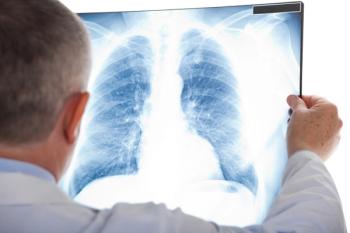
Targeted liquid chromatography-mass spectrometry (LC-MS) metabolomics identifies plasma biomarkers for lung cancer screening.

Liquid chromatography-tandem mass spectrometry (LC-MS/MS) reveals how soccer training intensity shifts athletes' hormone levels.

Gas chromatography-mass spectrometry (GC-MS) analysis of 90 basil varieties identifies top chemotypes for industrial use.

Liquid chromatography-tandem mass spectrometry (LC-MS/MS) urinary analysis ties volatile organic compound (VOC) and polycyclic aromatic hydrocarbon (PAH) exposure to oxidative stress in children.

This gas chromatography-quadrupole orbital trap high-resolution mass spectrometry (GC-Q-Orbitrap HRMS) method detects 215 pesticides in high-fat peanut matrices reliably.

Liquid chromatography-mass spectrometry (LC-MS) tracks gut bacteria activity before and after cognitive behavioral therapy treatment for social anxiety disorder.

Mass spectrometry–based techniques, including cross-linking and covalent labeling, were used to show how phosphorylation and oxidation alter alpha-synuclein structure, providing insight into how these modifications may influence aggregation and neurodegenerative disease. LCGC International spoke to Ian Webb, corresponding author of a paper that resulted from this research.

Gas chromatography-mass spectrometry (GC-MS) headspace analysis identifies dimethyl disulfide as a microbial marker in spacecraft wastewater.
This week’s LCGC International website offerings span AI, food, forensics, and clinical therapy.