

Liquid chromatography-tandem mass spectrometry (LC-MS/MS) reveals inflammatory lipid markers in recurrent pregnancy loss.
Liquid chromatography-tandem mass spectrometry (LC-MS/MS) reveals inflammatory lipid markers in recurrent pregnancy loss.

A multinational research team developed a green, miniaturized CPME-HPLC-DAD method to simultaneously extract and detect four tetracyclines in human urine, offering a simpler, cheaper alternative to LC-MS/MS with improved sensitivity. LCGC International spoke to Fedra Vasileiou, Victoria Samanidou, and Abuzar Kabir, three of the authors of the paper that resulted from this work.

Headspace gas chromatography-mass spectrometry (GC-MS) identifies urinary ketones as potential concussion markers.

Liquid chromatography-electrospray ionization-tandem mass spectrometry (LC-ESI-MS/MS) uncovers bat metabolomic clues to blood glucose regulation.


A liquid chromatography-tandem mass spectrometry (LC-MS/MS)-based steroid score predicts heart failure outcomes post-discharge.

Gas chromatography-tandem mass spectrometry (GC-MS/MS) method finds pesticide residues in Slovenian juices and wines.

High-performance liquid chromatography with a diode array detector (HPLC-DAD) and liquid chromatography-mass spectrometry (LC-MS) flavonoid profiling classifies okra by geographic origin.

Liquid chromatography-quadrupole time-of-flight mass spectrometry (LC-QTOF-MS) identifies serum metabolites linked to age-related hearing loss.

Two-dimensional gas chromatography coupled with time-of-flight mass spectrometry (GCxGC-TOF-MS) analysis links tooth toxicant exposure to autism risk.

Liquid chromatography-tandem mass spectrometry (LC-MS/MS) show how extraction method shapes shrimp allergen data.

Gas chromatography-tandem mass spectrometry (GC-MS/MS) analysis maps PAH, PCB, and OCP pollution in Strasbourg, France.

LCGC International spoke to Irene Digiglio and Giorgia Purcaro about what they report is the first head-to-head comparison of the HS-SPME, Vac-HS-SPME, and HiSorb techniques for analyzing volatile organic compounds in virgin olive oil.

A new ultra-high-performance liquid chromatography-electrospray ionization-tandem mass spectrometry (UHPLC-ESI-MS/MS) method measures cortisol and cortisone in wild wolf hair.

Ultrahigh-performance liquid chromatography-high-resolution mass spectrometry (UHPLC-HRMS) reveals metabolic differences tied to obesity in sufferers of schizophrenia.

Using high-resolution gas chromatography coupled with high-resolution mass spectrometry (HRGC-HRMS) finds only trace dioxin, PCB levels in wild edible land snails.

High-performance liquid chromatography (HPLC) verifies accurate dosing in new lollipop for post tonsil/adenoid removal surgery.

Size-exclusion high-performance liquid chromatography with fluorescence detection (HPLC-SEC-FLD) and attenuated total reflectance Fourier-transform infrared spectroscopy (ATR-FTIR) trace carbon nanodot glow to beer roasting process.
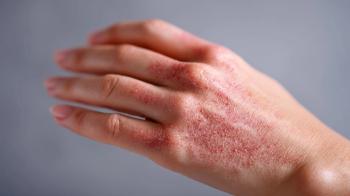
Various chromatography techniques purify fish-derived peptide WPN-15, shown to ease eczema signs.

Waters Q2 2026 results show strong chromatography instrument and consumables growth.
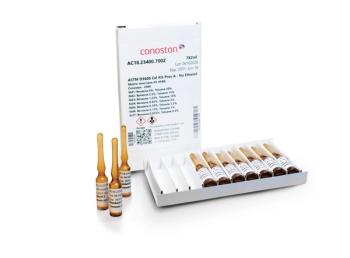
AnalytiChem launches CONOSTAN gas chromatography (GC) standards range covering full ASTM D3606 fuel testing workflow.

Gas chromatography shows DHA, not EPA, tied to brain volume in older women.
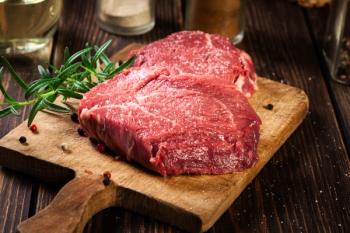
Gas chromatography-ion mobility spectrometry (GC-IMS) analysis shows supercooling best preserves beef flavor in shipping.

Ultrahigh-performance liquid chromatography quadrupole time-of-flight mass spectrometry (UHPLC–QTOF-MS) reveals urinary metabolite links between ADHD and pesticide exposure.

High-performance liquid chromatography (HPLC) and proton-transfer-reaction time-of-flight mass spectrometry (PTR-ToF-MS) data power AI-based grading of Baimudan white tea.
This week, Chromatography Online covered MALDI-MSI/LC-GC-MS tissue mapping, phthalate and microplastic screening, coastal pollutant analysis, vitamin D-sleep links, smartphone TLC drug detection, plus FDA 483 guidance and looks at HPLC2026 and the upcoming ISC2026 conferences.

Liquid chromatography-tandem mass spectrometry (LC-MS/MS) reveals PFAS migration into saliva from children's stuffed toys.

Liquid chromatography-tandem mass spectrometry (LC-MS/MS) ties seasonal vitamin D changes to sleep timing in women.

Ultrahigh-pressure liquid chromatography-tandem mass spectrometry (UPLC-MS/MS) study links rice pleiotropic developmental defects to tRNA modifications and organelle functions.