

Gas chromatography coupled with mass spectrometry and ion mobility spectrometry was used to identify volatile compounds shaped by fermentation time and drying temperature in black tea.
Gas chromatography coupled with mass spectrometry and ion mobility spectrometry was used to identify volatile compounds shaped by fermentation time and drying temperature in black tea.

Liquid chromatography-tandem mass spectrometry (LC-MS/MS) reveals fasting alters phthalate levels, with higher exposure linked to type 2 diabetes.

A two-part session on biopharmaceutical analysis will be held at HPLC 2026 on Monday, June 8.

High-performance liquid chromatography (HPLC) reveals how cherry variety, tissue type, and freezing method affect beneficial compound levels.

A dual isotope dilution tandem mass spectrometry (IDMS) method reliably detects 24 pesticides in cucumbers, revealing widespread safety limit breaches.

High-performance liquid chromatography (HPLC) measured blood dopamine in Parkinson's patients on LCE or LB, revealing no significant difference.

Gas chromatography-tandem mass spectrometry (GC-MS/MS) reveals first-trimester phthalate exposure impairs fetal growth, worsened by maternal stress.
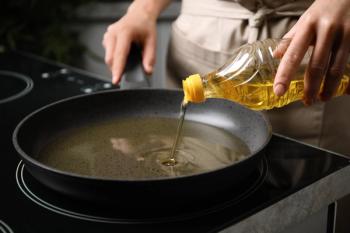
Chromatography and spectrometry techniques reveal how high-heat cooking alters fatty acid profiles in three vegetable oils.

Liquid chromatography-tandem mass spectrometry (LC-MS/MS) reveals widespread PFAS, bisphenols, parabens, and benzophenones in Andalusian household dust.

Researchers studied oxygenated species formation in nitazene analogs via DART-MS to improve forensic drug screening and address the opioid crisis. LCGC International spoke to Emma Hardwick, lead author of the paper that resulted from this work.

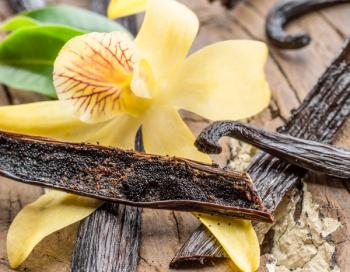
Gas chromatography-mass spectrometry (GC-MS) reveals cultivation-driven shifts in volatile organic compound (VOC) profiles of vanilla orchids without loss of compound diversity.

Liquid chromatography-tandem mass spectrometry (LC-MS/MS) quantification of deflazacort metabolites in urine and plasma validates the World Anti-Doping Agency's 30 ng/mL detection threshold.
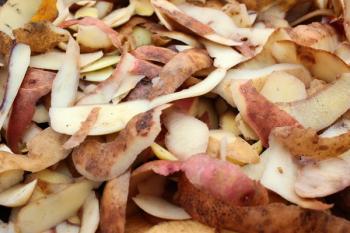
Using two-column chromatography, a 63.6-fold purified cold-active amylase from potato peel waste shows strong starch-processing potential.

Headspace solid-phase microextraction gas chromatography-mass spectrometry (HS-SPME-GC-MS) identified key aroma compounds differentiating peaches and nectarines by flesh type.

Researchers used orbital ion trap liquid chromatography-tandem mass spectrometry (LC-MS/MS) to separate and identify proteins in human eye lens fiber cells.
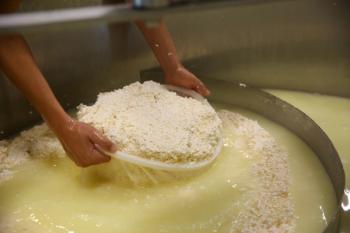
DEAE-cellulose and gel filtration chromatography purify a selective B. stercoris milk-clotting protease.

Discover the latest advances in metabolomics, LC–MS workflows, spectral libraries, and untargeted analysis during this morning session featuring researchers from academia, government, healthcare, and industry.

Join analytical scientists and instrument experts for a dynamic session showcasing the latest innovations in GC–MS instrumentation, high-throughput workflows, untargeted analysis, and trace-level detection technologies.

Untargeted liquid chromatography-mass spectrometry (LC-MS) and molecular networking reveal seasonal pollutant shifts and emerging contaminants in South Africa’s Nylsvley wetland.
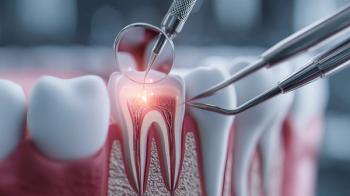
Gas chromatography-mass spectrometry (GC-MS) quantified para-chloroaniline (PCA) formed in root canals, with sodium ascorbate as a final rinse proving most effective.

Using chromatography-based analysis, researchers demonstrate how complementary alcohol biomarkers can help distinguish between recent binge drinking and repeated alcohol consumption in forensic driving investigations.

Researchers developed and validated a LC–MS/MS method for the detection of antibacterial, antifungal, and antiparasitic residues in legume-based alternative protein products. LCGC International spoke to Awanwee Petchkongkaew and Chanita Boonkanon, corresponding and lead authors, respectively, of the paper outlining this work.

Supercritical CO₂ extraction of limoncello-derived lemon peels, followed by gas chromatography-mass spectrometry (GC–MS) analysis, revealed monoterpene-rich chemical profiles with antioxidant, antimicrobial, and skin-beneficial potential, supporting their value as sustainable cosmetic ingredients.
HIC-MS, ADC characterization, career insights, and aroma and protein detection research highlight this week’s website offerings.

Using liquid chromatography–mass spectrometry (LC–MS), researchers compared arterial and venous oxylipin profiles in obese and non-obese heart failure with preserved ejection fraction (HFpEF) patients and identifies distinct obesity-associated lipid mediator patterns linked to more severe pulmonary hypertension.

A focus on using fluorinated ionic liquid stationary phases to analyze forever chemicals.

Using liquid chromatography–mass spectrometry (LC-MS) and machine learning, researchers identified distinct steroid hormone patterns in chronic versus episodic cluster headache that may help differentiate disease subtypes and point to adrenal-related involvement.

Using gas chromatography–mass spectrometry (GC–MS), researchers compared volatile flavor compounds formed in chicken breast treated with free iron, heme iron, and hemoglobin, showing that each iron type alters fat oxidation pathways and resulting aroma profiles differently.

Gas chromatography–olfactometry–mass spectrometry (GC-O-MS) combined with a Sensomics approach showed that laboratory and pilot-scale pervaporation produce grape spirits with highly similar aroma profiles and no significant differences in key odor-active compounds or consumer preference.