

Dionex - Analysis of Benzalkonium Chloride by HPLC
Dionex - Analysis of Benzalkonium Chloride by HPLC
Dionex - Dyes in Foods and Beverages
Scientists from the Rollins School of Public Health at Emory University (Atlanta, Georgia) have developed a new estimation model for the analysis of biological samples through liquid chromatography-mass spectrometry.
Dionex - Dyes in Foods and Beverages
Dionex - Analysis of Benzalkonium Chloride by HPLC
Thermo - Confirmation and Quantitation of Benzoylecgonine in Urine
The Institute for Medical Microbiology of the University Medical Centre in Goettingen, Germany has installed a Bruker MALDI Biotyper as their molecular microbial identification system.

The Column
Janet Kelsey spoke with Professor Bruno Domon, director of the new Luxembourg Clinical Proteomics Centre about the main purpose of his research group.
Agilent OpenLAB software helps you shorten the time from analysis to final insight by bringing applications, instruments, and data together under a single, vendor-independent lab environment.

LCGC Europe eNews
What are the basic elements of preventative maintenance for a GC system?
On November 16th, Agilent Technologies (Santa Clara, California) released their brand new, state-of-the-art, next gen chromatography data system (CDS), Agilent OpenLAB CDS.
The University of Sydney and Agilent Technologies have formally opened their state-of-the-art Oxidative Stress Bioanalytical Facility (OSBF) in the Medical Foundation Building.

The Column
A study into the composition of krill oil may offer new insights into the complexity of this source of omega-3.
Waters-Fast Screening for Vitamins and Dyes in Health Beverages
A group of scientists that are affiliated with several different institutions in Brazil have conducted research on Xanthomonas citri, a pathogen that affects nearly every variety of orange.
Thermo-Confirmation and Quantitation of Benzoylecgonine in Urine
Dionex has announced a method that the company reports can fully recover low concentrations of three microcystins when added to water samples.
Thermo - GC Analysis of Surfactants through On-column Injector with H.O.T. Device
Thermo - UHPLC Separation of Triazine Herbicides at Elevated Temperature
Thermo - Confirmation and Quantitation of Polybrominated Biphenyls (PBBs) and Polybrominated Diphenyl Ethers (PBDEs) by MS/MS
Thermo - Simultaneous UHPLC/MS Analyses of Explosive Compounds
The Column
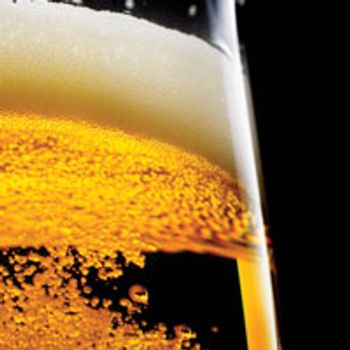
Beer is one of the world?s oldest and most widely consumed alcoholic beverages, and a recent study of its proteome may provide brewers with ways to make it even better.

A new technique, using liquid chromatography-mass spectrometry (LC-MS), has now made it easier for scientists and researchers to obtain any information they need from very small amounts of blood.
Thermo - 30X Increased Sensitivity in the Determination of PCBs in Water and Soil by GC-ECDusing Large Volume Splitless Technique
Thermo - Latest Advances in the Analysis of Volatile Organic Compounds by GC-Single Quadrupole MS

Thermo - Analyzing Phenolic Pollutants in Water Using U-HPLC
Thermo - Determination of UV Absorbers from Sunscreens by UHPLC with Photodiode Array Detection