



The evolution of biomolecule analysis is discussed in this article.

Metabolic Perturbation Score-Based Mass Spectrometry Imaging (MPS-MSI) offers spatially resolved insights into the functional metabolic response, facilitating a deeper understanding of disease progression and drug action, and paving the way for improved therapeutic strategies and targeted interventions.

Volatility Measurements of Individual Components in Organic Aerosol Mixtures Using Temperature-Programmed Desorption–Direct Analysis in Real Time–High Resolution Mass Spectrometry

Analysis of Sialic Acid Linkage in N-Linked Glycopeptides Using Liquid Chromatography–Electron-Activated Dissociation Time-of-Flight Mass Spectrometry
The evolution of biomolecule analysis is discussed in this article.

A new study reports the development a highly sensitive LC–MS/MS method to measure salivary melatonin levels. The method has a lower limit of the measuring interval of 0.8 pg/mL, making it the most sensitive method for quantifying melatonin in saliva.

A recent study has found that using only seven points across an LC–MS/MS peak can provide sufficient accuracy and precision for drug quantitation studies in drug discovery and development, challenging the "rule-of-thumb" of using at least 15 points.

A recent study analyzed the composition and metabolism of steroidal alkaloids in Solanum nigrum fruits of different maturities and identified steroidal glycoalkaloids and steroidal alkaloids, providing a foundation for further research on biosynthesis and discovery of new steroidal alkaloid anticancer drugs.

A new study has identified potential quality-markers for Eucommiae Folium (Duzhongye), a traditional Chinese medicine, using UHPLC–MS/MS analysis, and has recommended isoquercitrin as a new quality-marker candidate.

A new approach for identifying isomeric and isobaric metabolites has been developed using liquid chromatography (LC) with high-resolution ion mobility spectrometry (IMS) and cryogenic infrared (IR) spectroscopy, allowing for faster, more accurate, and cost-effective metabolomics workflows.

Researchers at Clemson University have developed a computational framework that integrates commercial software components to perform customizable technoeconomic feasibility analyses of monoclonal antibody capture chromatography platforms.

The level of uncertainty provided by most forensic laboratories for reported blood alcohol results has been woefully underassessed. Not only is this bad science, but someone’s civil liberties may be at stake.

Researchers combine a single-probe single cell mass spectrometry technique with a bioinformatics software package to quantify cell subpopulations and prioritize metabolite biomarkers, providing a label-free approach to studying cell heterogeneity and improving understanding of cell metabolism in human diseases and response to therapy.

Researchers have developed a PAMAM-functionalized paper substrate that boosts the sensitivity of protein analysis by paper spray mass spectrometry (PS-MS), potentially revolutionizing clinical diagnosis of diseases.

A new study analyzed the trophic niches and niche overlap between native and introduced cyprinid fishes in Karacaören I reservoir using IRMS.

Researchers have developed a new method for detecting pyrethroid pesticide residues in tobacco using Schiff base networks (SNWs) coated stir bar sorptive extraction (SBSE) coupled with high performance liquid chromatography-ultraviolet detection (HPLC-UV), which exhibited high extraction efficiency and good mechanical stability even when reused more than 50 times.

A new RPLC–MS method can map the substitution degree and composition of β-glucose monomers of cellulose ethers (CEs), providing detailed compositional distributions and constitutional isomer distributions, thereby identifying compositional variation between bio-stable and non-bio-stable CEs and unexpected methylations in EHEC samples.

The combination of an untargeted approach using ultrahigh pressure liquid chromatography–quadrupole time-of-flight mass spectrometry (UHPLC–QTOF) and a targeted approach using UHPLC–tandem mass spectrometry (MS/MS) are presented as an ideal method for detecting per- and polyfluroalkyl substances (PFAS) in fast-food packaging.

Researchers have shown the effectiveness of ion chromatography (IC) in identifying markers of forest fire emissions in rainfall samples, providing valuable insights into the signature of forest fire emissions and aiding in the development of models to predict and control air pollution resulting from these events.
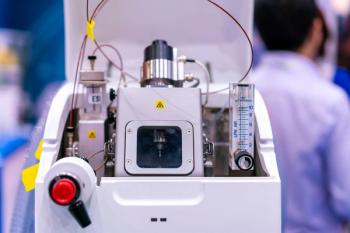
A review article describes spatial metabolomics using high spatial resolution mass spectrometry imaging (MSI), a promising technology that enables the visualization and analysis of metabolites at the cellular and subcellular levels.

Recent advancements in electrospray ionization mass spectrometry (ESI-MS) for single-cell proteomics are highlighted in a review article, including various separation techniques and MS instrumentation used to improve sample throughput and coverage.

Scientists propose a gel-free hybridization assay using peptide nucleic acid (PNA) probes and capillary electrophoresis (CE) for qualitative and quantitative analysis of nucleic acid therapeutics.

Researchers have developed a new model for achiral chromatography (ACh) that can separate non-racemic mixtures of enantiomers.

A new study evaluated the use of HILIC for fast aqueous species distribution analysis of Nickel(II)-Histidine complex, finding that HILIC is appropriate for investigating coordination metal complexes.

Researchers have now used mass spectrometry imaging to study induced pluripotent stem cells (iPSCs) during the early stages of differentiation.

By modifying polyniobate on a metal-organic framework, scientists have managed to purify Cytochrome C for proteomic analysis using LC–MS/MS.

A recent study analyzed individual hippocampal cells at ultrahigh mass resolution using a FT-ICR mass spectrometer.

Using LC–MS, scientists have developed a new method for testing doping steroids in blood.

Combining liquid chromatography (LC) with high resolution mass spectrometry (HRMS) has led to incredibly detailed results in forensic drug screenings, though not without challenges.