
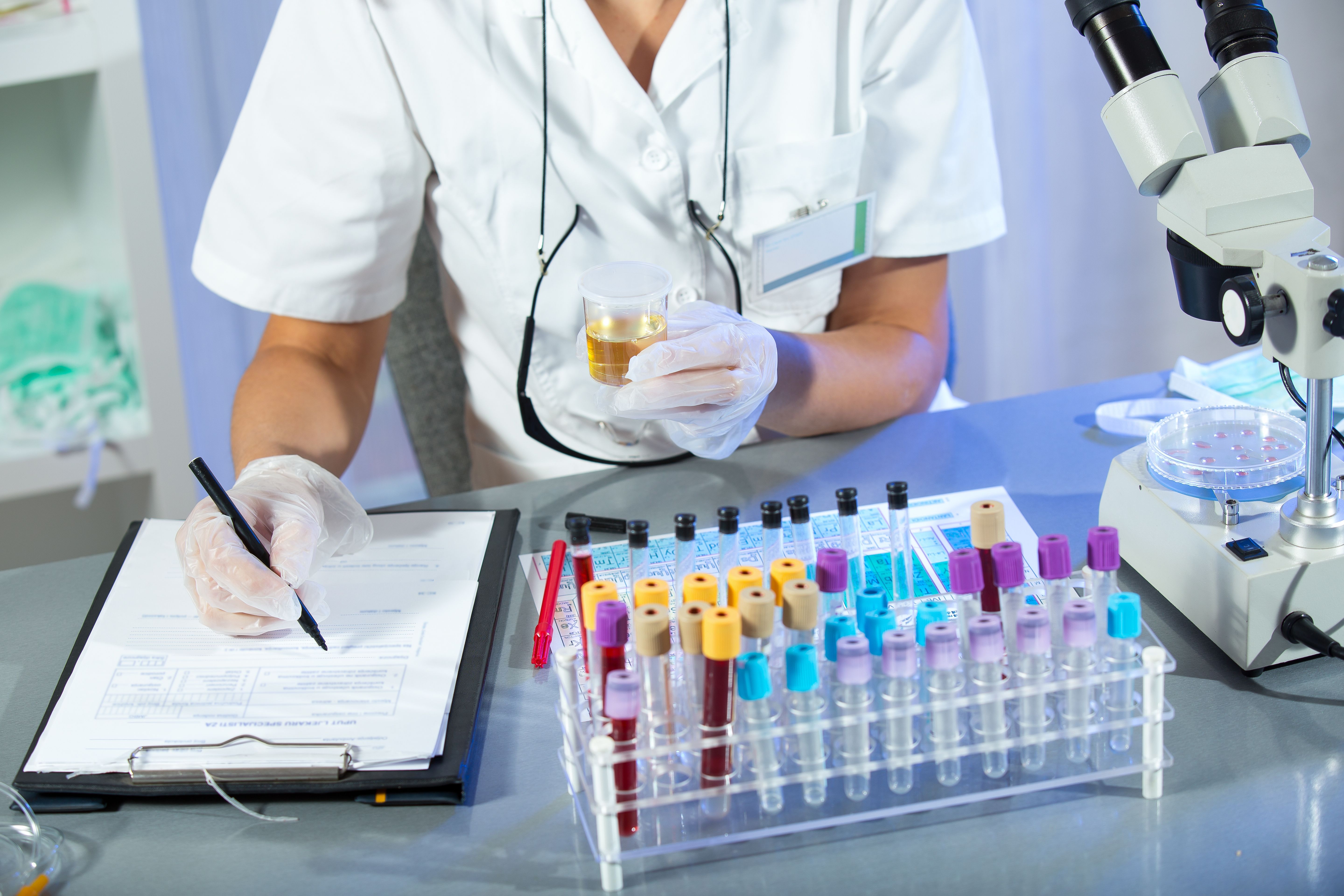




To better understand the purity of therapeutic peptides, scientists from Germany, studied the effects supercritical fluid chromatography (SFC) could have during the analysis.
To better understand the purity of therapeutic peptides, scientists from Germany, studied the effects supercritical fluid chromatography (SFC) could have during the analysis.

A team of scientists from Taizhou, China have developed a means of studying the medical effects of Qiangxin Lishui Prescription (QLP).

On 1 October 2023, Alexandra Knauer was awarded the Order of Merit of the State of Berlin by Governing Mayor Kai Wegner.

Scientists from the University of Maryland have created a system to analyze changes in a brain’s chief circadian pacemaker.
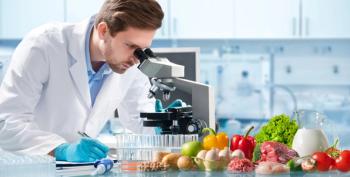
At this year’s AOAC International Annual Meeting, held in New Orleans, Louisiana, nearly 700 analytical scientists were honored in an awards ceremony.

The methodologies demonstrated here open the way to fully compliant at-line monitoring of monoclonal antibody quality attributes.

The AES Mid-Career Award recognizes exceptional contributions to the field of electrophoresis, microfluidics, and related areas by an individual who is currently in the middle of their career. This year’s recipient, Robbyn K. Anand, Suresh Faculty Fellow and Carlyle G. Caldwell Endowed Chair in Chemistry at Iowa State University, has, along with her group, developed methods for circulating tumor cell analysis, electrokinetic enrichment and separation of chemical species within water-in-oil droplets, and more sensitive bioanalysis at arrays of wireless bipolar electrodes (1).
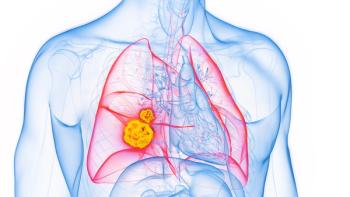
To analyze circulating tumor cells (CTCs) more efficiently in clinical whole blood samples, a team of scientists from Chengdu, China, created their own simplified CTC analysis system.

Scientists from Dalian Maritime University in Dalian, China, are testing a new amphetamine-type stimulant extraction system on wastewater and urine samples.
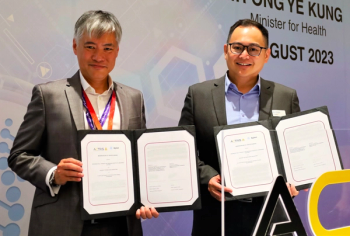
Agilent has entered a partnership to use its technology to help further cell and gene therapy advancements.

Brazilian scientists are testing a system to detect endocrine disruptors in wastewater samples to help improve public health.
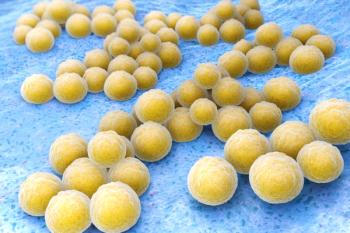
Researchers from the University of Washington have begun testing a new system to fight antimicrobial resistance by combining liquid chromatography (LC) with ion mobility (IM) separation.

The phenolic compounds of Chrysanthemum morifolium have recently been separated in a study meant to identify their medical benefits.

Using mass spectrometry and fingerprint analysis, scientists are investigating a new way to screen for lung cancer.

Researchers in China studied a new process for measuring aberrant metabolites.

To further understand what role ion chromatography (IC) plays in urine analysis, scientists investigated urine pretreatment techniques and how IC systems are designed and developed to measure various chemicals.

HRPs, while vital to creating drugs meant to fight serious diseases, are very difficult to quantify. To streamline the process, a group of scientists used a new approach for analyzing HRPs using MSPE and HPLC-UV.

In his keynote lecture at HPLC 2023, Alejandro Cifuentes from the Laboratory of Foodomics, Institute of Food Science Research, CIAL, CSIC in Madrid, Spain, highlighted the promising application of foodomics in addressing Alzheimer’s disease (AD) (1).

A new study published in the Journal of Chromatography A aims to further characterize different classes of biomolecules through size-exclusion chromatography.

In this interview, we explore the significance of this groundbreaking technology and its impact on mass spectrometry with Aaron Robitaille, Director of Marketing for Mass Spectrometry at Thermo Fisher Scientific in San Jose, California.

Scientists at NACRW discussed using CE–MS to analyze highly polar agrochemicals.

Researchers have developed a polybutylene terephthalate-based stationary phase for ion-pair-free reversed-phase liquid chromatography.

The application of various new methods and instruments for the analysis of multispecifics is discussed as a means of highlighting their ability to facilitate the development of these important new modalities.

A study conducted by researchers at Rowan University explores column selection in compact capillary liquid chromatography (LC) systems.

Researchers have introduced a novel primary method utilizing gas chromatography–isotope dilution infrared spectrometry (GC–IDIR) for accurate peptide purity analysis.