

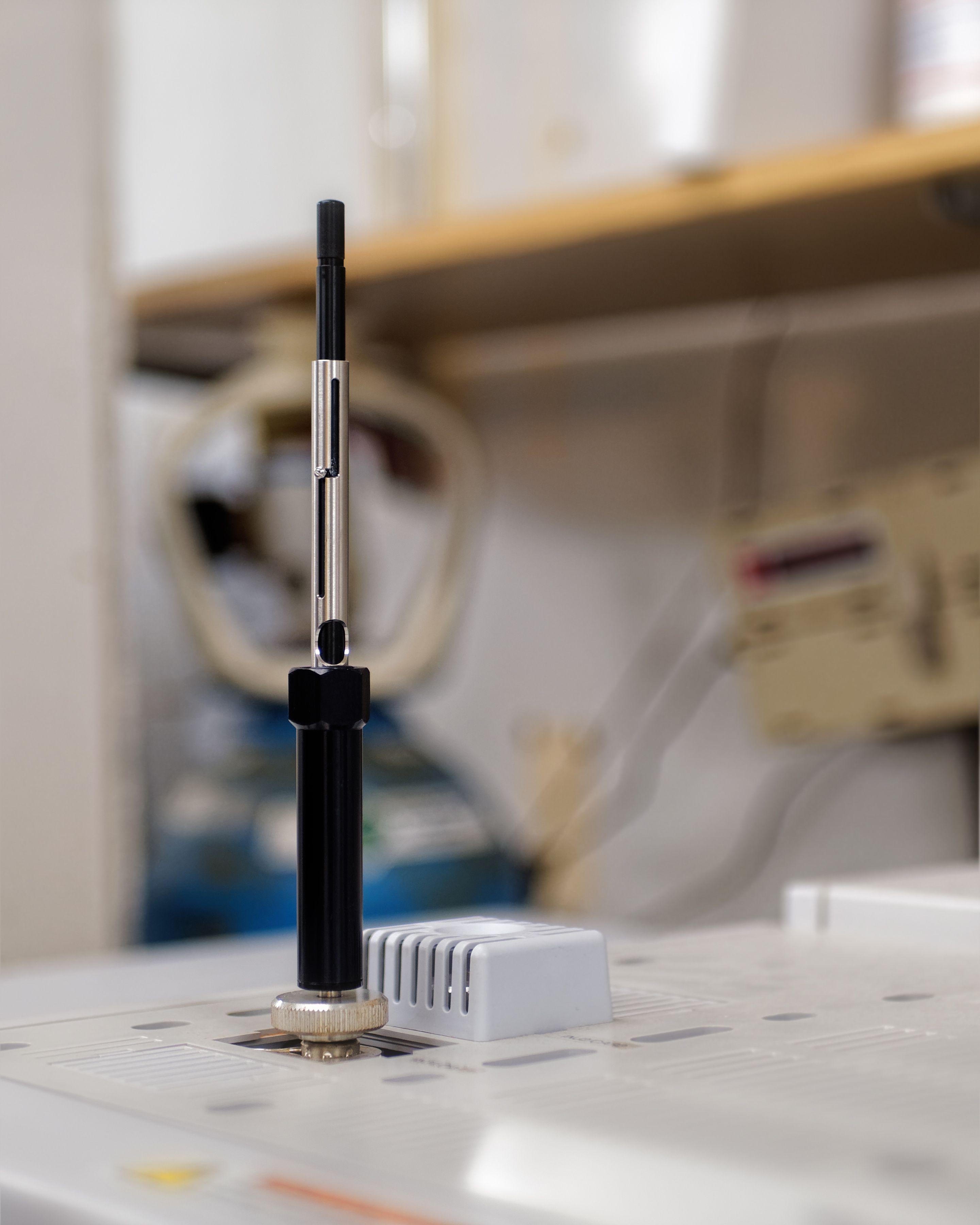


A recent study out of Auburn University sought to further understand biological mechanisms at the molecular level using ion mobility spectrometry (IMS).
A recent study out of Auburn University sought to further understand biological mechanisms at the molecular level using ion mobility spectrometry (IMS).

Joycelyn Tan, a PhD candidate at the University of Cambridge, is the 2024 recipient of the Darlene Solomon Award, co-sponsored by Females in Mass Spectrometry and Agilent Technologies, and created to provide support for up-and-coming women scientists.

Scientists recently tested a new system for detecting and extracting favipiravir from plasma samples.

Scientists from the Affiliated Hospital of Putian University recently analyzed the dysregulation of lipid metabolism in patients suffering from chronic hepatitis B patients.
Joycelyn Tan of the University of Cambridge recently won the Darlene Solomon Award for her notable research into mass spectrometry.

This week, LCGC International published a variety of articles on the hottest topics in chromatography and beyond. Below, we’ve highlighted some of the most popular articles, according to our readers. Happy reading!

This study explores the feasibility of using human skin volatile organic compounds (VOCs) analyzed through comprehensive gas chromatography–time of flight–mass spectrometry (GCxGC-TOF-MS) and chemometric techniques, to potentially serve as biomarkers for tuberculosis diagnosis.

In a recent study from the GITAM School of Pharmacy, two scientists used different liquid chromatography techniques to assess the properties of ozenoxacin (OXC) and its degradation products.

Scientists investigated using this method to measure volatile organic compounds in the breath of patients with chronic kidney disease.

In a recent review article, researchers from Concordia University examined recent advancements in LC–MS workflows for tissue lipidomics.

In a recent study out of Boehringer Ingelheim Animal Health USA Inc. in North Brunswick, New Jersey, scientists investigated cloruson and its related substances using an original ion-paired reversed phase ultraperformance liquid chromatography (IP-UHPLC) method.

Metrohm USA announced Katelyn Michael as the 2024 winner of its Young Chemist Award for her work on the degradation of perfluorooctanesulfonic acid (PFOS).

In a recent study out of Central South University in Changsha, China, scientists tested different cosine similarity algorithms to test for illegal adulterants in drugs.
Here are the top five articles that the editors of LCGC International published this week.

In a recent study, scientists tested how effective dynorphin 1-17 peptides can be in treating chronic rhinosinusitis with nasal polyps (CRSwNP).

A recent study dissects a Chinese herbal medicine to determine why it is effective in treating polycystic ovary syndrome (PCOS).

Scientists from Hangzhou, China used ultra-performance liquid chromatography mass spectrometry and non-targeted metabolomics studies to help find treatments for colorectal cancer.

Bryan Troxell and other StrideBio scientists used size-exclusion chromatography with UV and multiangle light scattering (SEC-MALS) to measure changes in different viruses.

Scientists from Murcia, Spain recently created a new method for mycotoxin screening in human tissues using dispersive liquid–liquid microextraction and liquid chromatography–mass spectrometry.

Sara E. Kern and her team of the U.S. Food and Drug Administration (FDA) tested different analysis methods for rapidly screening for poppy seeds in food samples.

A recent study examined how capillary electrophoresis (CE) could identify new 4-aryl-pyrido[1,2-c]pyrimidine derivatives in human serum.

In a study from Cornell University, scientists created a new means of identifying hemp plants that can exclusively create cannabidiol (CBD).

Scientists from Utah and Ireland recently created a liquid chromatography–mass spectrometry (LC–MS) analytical method capable of detecting phototoxins in essential oils.
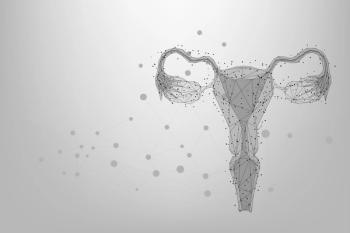
Scientists from Washington and Connecticut have created a new system to detect epithelial ovarian cancer (EOC).

Scientists from Hunan University of Chinese Medicine and Zhengzhou University in Zhengzhou, China recently created a new system for extracting catecholamines (CAs) in urine samples.