




This article describes the contents and associated calculations of CoAs for small-molecule drugs. It explains how these documents help to ensure drug quality in the supply chain.

This article describes the contents and associated calculations of CoAs for small-molecule drugs. It explains how these documents help to ensure drug quality in the supply chain.

An unexpected retention order for ketamine analogs was observed when using a biphenyl stationary phase for liquid chromatography-mass spectrometry (LC–MS).
In this edition of The LCGC Blog, Emanuela Gionfriddo discusses the two world-class scientists and trailblazer women in separation chemistry and the awards they received at Pittcon 2024.

Here are the top five articles that the editors of LCGC International published this week.
In preparation for ASMS 2024, we sat down with Elizabeth Neumann of the University of California, Davis about her upcoming workshop.
Here are the top five articles that the editors of LCGC International published this week.

A recent paper discusses advances in hydrophilic interaction chromatography (HILIC) in the analysis of therapeutic oligonucleotides and their impurities.

In this interview for ASMS 2024, Liusheng Huang of the University of California San Francisco discusses his upcoming presentation about performing microvolume analysis on antimalarial drugs.
Here are the top five articles that the editors of LCGC International published this week.

Scientists from the Lunan Pharmaceutical Group explored the use of UHPLC-MS/MS to test the effects of Shouhui Tongbian capsules (SHTBs) on slow transit constipation (STC).

Scientists from the Shenyang Pharmaceutical University in China have developed a new quality assessment system for various types of traditional Chinese medicine (TCM).
Scientists from Florida State University used Marfey’s reagent and reversed-phase liquid chromatography–tandem mass spectrometry (LC–MS/MS) to analyze D-amino acids.

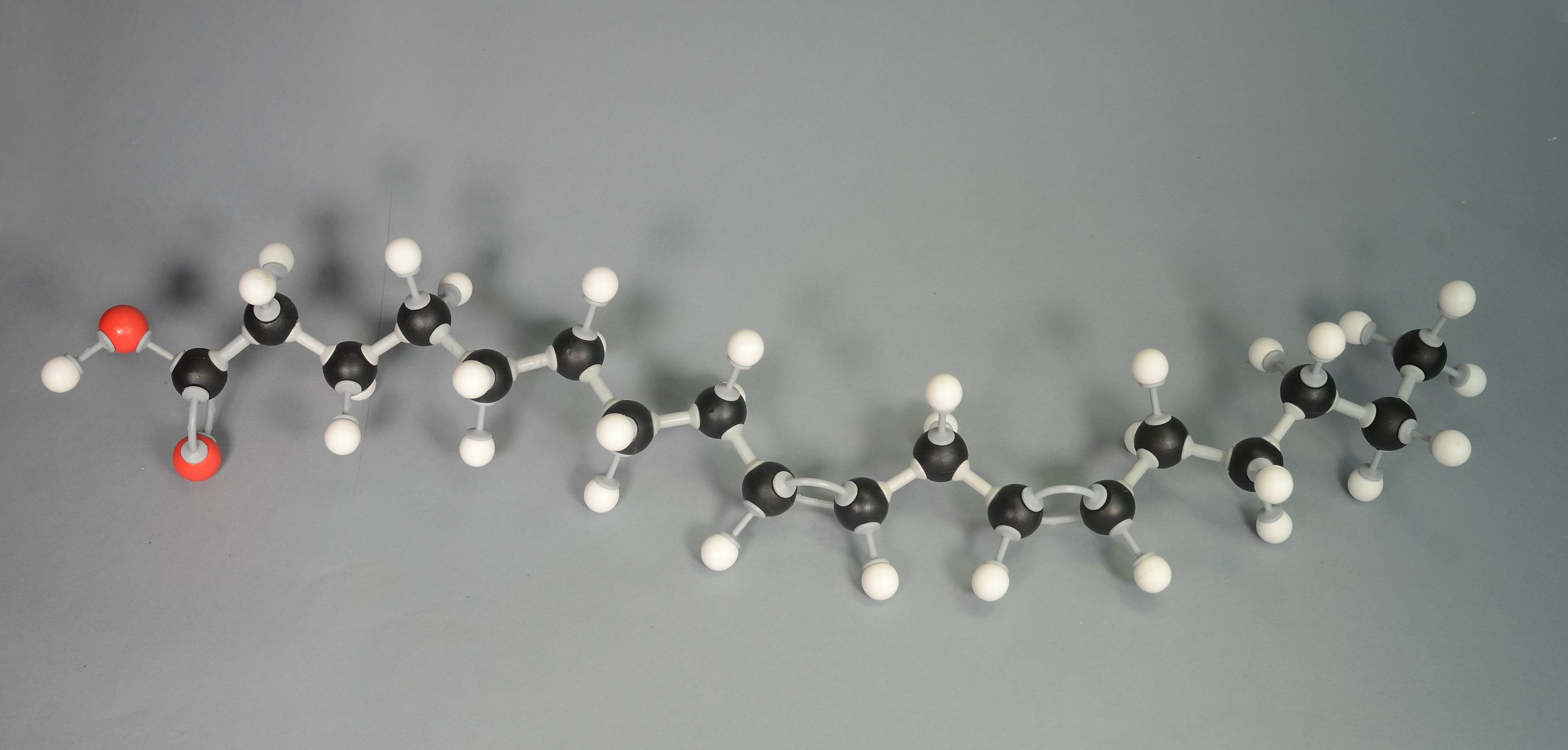
Scientists from the University of Messina recently developed a new omega-3 fatty acid-based supplement and tested its effectiveness on metabolism and lipid profiles.

U.S. Environmental Protection Agency (EPA) Method 1633 signifies a pivotal shift in per- and polyfluoroalkyl substance (PFAS) determination, extending beyond drinking water.

Yelena Sapozhnikova from the United States Department of Agriculture spoke to The Column about her innovative research investigating PFAS in plastic food storage bags using targeted and non-targeted liquid chromatography–tandem mass spectrometry.

French scientists recently created a new analytical method for quantifying micropollutants in different species of gammarids.

This article discusses the importance of TIMS as it enhances the sensitivity, specificity, and speed of metabolite measurement, which in turn accelerates the pace of metabolomics research.
Here are the top five articles that the editors of LCGC International published this week.

Scientists from Hangzhou Medical College recently recorded the effectiveness of novel quality control strategies for the determination of vitamin D using liquid chromatography–tandem mass spectrometry (LC–MS/MS).

Scientists from China Pharmaceutical University developed a liquid chromatography-tandem mass spectrometry (LC–MS/MS)-based method for determining the presence of anti-colorectal cancer drugs in human plasma.

Swedish and German scientists recently made a new system for detecting of selective androgen receptor modulators (SARMs) in human samples.

Scientists from Anhui University of Chinese Medicine in Hefei, China recently investigated the mechanisms behind what makes huachansu tablets, a type of traditional Chinese medicine (TCM), effective against liver cancer.

Scientists from the Netherlands created a new LC–MS/MS assay to test new small molecular inhibitors (SMIs) and their effectiveness in prognosing lung cancer.

LCGC International sat down with Katarina Marakova to discuss her group’s work in top-down analysis of proteins using capillary zone electrophoresis–mass spectrometry (CZE–MS).

In this interview from Analytica 2024 in Munich, Germany, Michael Lämmerhofer of the University of Tuebingen discusses the potential of chiral stationary phases (CSPs) in different applications.