


Researchers have developed a rapid and sensitive analytical method for tracing lufenuron in cabbages using ultra-high-performance liquid chromatography-tandem mass spectrometry (UHPLC-MS/MS).
Researchers have developed a rapid and sensitive analytical method for tracing lufenuron in cabbages using ultra-high-performance liquid chromatography-tandem mass spectrometry (UHPLC-MS/MS).

A review article written by researchers at Imperial College London (United Kingdom) explored the potential of volatile organic compounds (VOCs) as early, non-invasive biomarkers for Parkinson’s disease (PD), a neurodegenerative condition that currently lacks reliable diagnostic tools for early-stage detection. LCGC International spoke to Ilaria Belluomo of Department of Surgery and Cancer, Imperial College London and lead author of the review, about how chromatography and mass spectrometry played a part in the team’s research.

Researchers from the U.S. Horticultural Research Laboratory’s Agricultural Research Service present a preliminary characterization of the citrus peel materials responsible for elevated high performance liquid chromatography-ultraviolet (HPLC-UV) chromatogram baselines from citrus peel extracts using Fourier-transform infrared (FTIR) and proton-nuclear magnetic resonance (1H-NMR) spectroscopy.

Researchers performed multi-targeted comparative metabolite profiling and fingerprinting approaches targeting primary and secondary metabolites in black and white paper using gas chromatography mass-spectrometry (GC-MS) post-silylation and ultra-high pressure liquid chromatography (UHPLC-MS/MS) coupled to multivariate analyses and molecular networking.

Reacting to the frequency of vitamin D deficiency (VDD) among women, particularly those with central adiposity, a recent study by the American University of Madaba (Amman, Jordan) examined the predictors of vitamin D levels, focusing on age, adiposity, and muscle composition. Vitamin D levels were measured using high performance liquid chromatography (HPLC).

Researchers at the University of Reading (United Kingdom) explored the potential of volatile organic compounds (VOCs) as markers for drought stress in potato plants using thermal desorption collection and gas chromatography mass spectrometry (GC-MS) with chemometric techniques.

LCGC International spoke to Pablo Mohaupt, who, along with Marie-Laure Pons and their colleagues at the Clinical Proteomics Platform of Montpellier (Montpellier, France) and Shimadzu Corporation (Duisburg, Germany) developed a mass spectrometry (MS)-based method to measure α-synuclein peptides in plasma, aiming to identify disease-specific biochemical signatures that could support earlier and more precise diagnosis of α-synucleinopathies.

In a joint study conducted by Harbin University of Commerce and Northeast Agricultural University, gas chromatography-mass spectrometry (GC–MS) was used to investigate the volatile compounds profiles and quality changes of soybean-based meat analogue under 4 °C and -18 °C storage conditions.

Can thyme reduce inflammation caused by rheumatoid arthritis? Researchers at Koya University (Koya, Iran) used gas chromatography-mass spectrometry to find out.

Evelyn Rampler of the Department of Analytical Chemistry at the University of Vienna discusses how her team developed a robust LC–MS/MS platform for semiquantitative glycosphingolipidomics in barley, enabling detailed structural annotation of GIPCs across developmental stages and stress conditions, and paving the way for comparative analyses across plant species.

Research conducted at the Central University of Venezuela (Caracas, Venezuela) resulted in the development of a robust, definite, and economical methodology for rapid and accurate quantification of theobromine and caffeine in cocoa beans extracts from Venezuelan cocoa.

LCGC International spoke to Evelyn Rampler of the Department of Analytical Chemistry at the University of Vienna about the insights yielded regarding the role of glycosphingolipids in plant physiology and environmental resilience.

In research performed at the Beijing Technology and Business University (China), the aroma compounds of duck broth stewed from seven parts were characterized by headspace solid-phase microextraction-gas chromatography-mass spectrometry (HS-SPME-GC-MS) and gas chromatography-ion mobility spectrometry (GC-IMS).

Researchers investigated the impact of HCO3 in water on the aroma of brewed tea infusions using sensory evaluation, headspace solid-phase microextraction, and gas chromatography-mass spectrometry (GC-MS) techniques

Researchers at Tshwane University of Technology evaluated the neuroprotective and neurorestorative effects of M. tortuosum extracts on 6-OHDA-induced deficits in zebrafish larvae using ultra-performance liquid chromatography coupled to mass spectrometry (UPLC-MS).
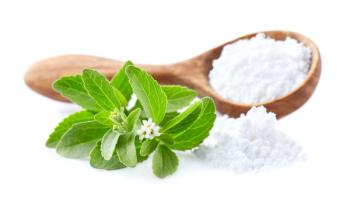
Researchers in Egypt aimed to develop an efficient in vitro regeneration system for a local stevia genotype using callus induction, as well as both direct and indirect micropropagation and to assess its impact on steviol glycoside accumulation by comparison with conventionally soil-grown plant.

Researchers at Jiangmen Central Hospital (China) investigated the association between red blood cell folate and visceral adipose tissue in young and middle-aged adults in the United States using liquid chromatography-tandem mass spectrometry (LC-MS/MS).

Researchers at the University of Wisconsin-Madison employed hydrophilic interaction liquid chromatography (HILIC) enrichment coupled with oxonium-ion triggered electron-transfer/higher-energy collision dissociation (EThcD) fragmentation to simultaneously profile novel endogenous and glycosylated neuropeptides in American lobsters.

LCGC International spoke to Ibraam Mikhail of the University of Tasmania, lead author of the paper resulting from a study where a compact capillary liquid chromatography (capLC) system was coupled with two small-footprint and portable single quadrupole mass spectrometers for the analysis of haloacetic acids (HAAs) in water samples.

Research conducted by the University of California (San Francisco and Davis, California campuses) and the Harbor-UCLA Medical Center (Los Angeles, California) reported on the prevalence of new psychoactive substances (NPS) in roadway crash victims in California.

Research conducted at the University of Copenhagen (Denmark) investigated the relationship between chemical composition and consumer liking, using Vivino ratings as quality endpoints.

Researchers at the University of Caldas (Manizales, Caldas, Columbia) investigated the volatile organic compounds comprising the volatilome of Hass avocado peel, pulp, and seed grown in the northern Caldas (as well as avocados purchased from commercial sources), employing headspace solid-phase microextraction (HS-SPME) coupled with gas chromatography-mass spectrometry (GC–MS) for their extraction and identification.

Researchers speculating that exposure to paraben in early childhood is associated with changes in satiety hormones performed analysis of urinary methyl, ethyl, propyl, and butylparaben (MeP, EtP, PrP, BuP) levels in 4–6-year-old children, using ultra-performance liquid chromatography-tandem mass spectrometry (UPLC-MS/MS).

Researchers from the University of Campinas (Campinas, Brazil) and the Waters Research Center (Budapest, Hungary) introduced a rapid, automated method using laser-assisted rapid evaporative ionization mass spectrometry (LA-REIMS) with high-resolution mass spectrometry to fingerprint coffee samples and predict sensory properties. LCGC International spoke to Leandro Wang Hantao of the University of Campinas regarding their work and the paper that resulted from it.

Research conducted by the University of Florida and the University of California used targeted metabolomics in pomegranates to profile essential primary and secondary metabolites, including organic acids, amino acids, sugars, hormones, and phenolic compounds, using gas chromatography mass spectrometry (GC-MS) and liquid chromatography mass spectrometry (LC-MS).

In a new study, researchers from the University of Milan used high-performance liquid chromatography (HPLC) to phytochemically profile residual leaves of Carciofo di Malegno, a traditional Italian artichoke variety.

A multinational research team used behavioral assays and gas chromatography-mass spectrometry (GC-MS) to examine short- and long-term interactions between juvenile and adult desert locusts to test their hypothesis that cross-stage interactions influence juvenile cohesion and physiological traits.

An improved method for the extraction of proteins from human skin samples involved the acquisition of proteomic data through nano liquid chromatography tandem mass spectrometry (nano LC-MS/MS).

A recent study conducted by the University of Amsterdam (Amsterdam, Netherlands) and the University of Queensland (Queensland, Australia) developed a novel prioritization strategy that directly links fragmentation and chromatographic data to aquatic toxicity categories, bypassing the need for identification of individual compounds. LCGC International spoke to Viktoriia Turkina of the University of Amsterdam, lead author of the paper that resulted from this study, about their work.

A joint study between Selçuk University (Konya, Turkey) and Hitit University (Corum, Turkey) determined the natural occurrence and concentrations of the mycotoxins ochratoxin A (OTA) and deoxynivalenol (DON) in commercially available tortillas in Turkey. Contamination levels were quantified using validated analytical methods based on high-performance liquid chromatography (HPLC) coupled with fluorescence or ultraviolet detectors (HPLC-FLD or HPLC–UV).